


Image


Peripheral Arterial Disease is a serious circulatory condition that occurs when narrowed arteries reduce blood flow to your limbs, most commonly affecting your legs. This reduced blood flow can cause symptoms ranging from leg pain while walking (claudication) to slow-healing wounds. At Apollo Hospitals, we understand how PAD can impact your daily life. Our comprehensive treatment approach combines both conservative and surgical options, tailored to your specific condition and severity.If left untreated, PAD can progress to severe complications, including gangrene, potentially requiring amputation. That's why early detection and management are crucial. Our team of vascular specialists will work with you to focus on restoring blood flow and managing symptoms.
Non-Surgical Treatments:
• Lifestyle Modifications: Smoking cessation, exercise programs, and a healthy diet.
• Medications:
Antiplatelets (e.g., aspirin) to prevent blood clots.
Cholesterol-lowering drugs (e.g., statins).
Medications to improve blood flow (e.g., cilostazol).
Surgical and Minimally Invasive Treatments:
• Angioplasty and Stenting: Insertion of a balloon or stent to open blocked arteries.
• Atherectomy: Removal of plaque buildup in the arteries.
• Bypass Surgery: Creating a new pathway for blood flow around the blocked artery.
Know more about Peripheral Arterial Disease
2. Carotid Artery Disease
Carotid artery disease affects the vital arteries in your neck that supply blood to your brain, making it a significant risk factor for stroke. Our specialized screening programs focus on early detection and intervention to prevent potentially life-threatening complications. Through advanced imaging and diagnostic techniques, we can identify narrowing or blockages in your carotid arteries before they cause symptoms.
We offer a range of treatment options, from medical management to surgical interventions like carotid endarterectomy and stenting.
Non-Surgical Treatments:
• Medications:
Antiplatelet agents (e.g., aspirin) to prevent clots.
Cholesterol-lowering drugs.
Blood pressure management medications.
Surgical and Minimally Invasive Treatments:
• Carotid Endarterectomy (CEA): Surgical removal of plaque from the carotid artery.
• Carotid Artery Stenting (CAS): Placement of a stent to keep the artery open, especially for high-risk surgical patients.
Our experienced vascular surgeons will guide you through the most appropriate treatment path, considering factors such as the degree of artery narrowing, your overall health, and personal preferences.
3. Aortic Aneurysms
An aortic aneurysm is an abnormal bulge in the wall of the aorta. Treatment depends on the size and location of the aneurysm. This condition requires careful monitoring and expert management to prevent life-threatening complications. At Apollo Hospitals, we specialize in treating both abdominal and thoracic aortic aneurysms, providing regular monitoring for aneurysms larger than 5.5 cm and offering advanced treatment options including minimally invasive endovascular aneurysm repair (EVAR) and traditional open surgery when necessary.
Our experienced team uses state-of-the-art imaging technology to track aneurysm size and growth rate, ensuring timely intervention when needed. We understand that each case is unique, and we work closely with you to determine the most appropriate treatment approach, whether that involves careful monitoring for smaller aneurysms or immediate surgical intervention for larger or rapidly growing ones.
Treatment for Small or Asymptomatic Aneurysms:
• Regular monitoring with imaging.
• Medications to control blood pressure and reduce strain on the aorta (e.g., beta-blockers).
Treatment for Large or Symptomatic Aneurysms:
• Endovascular Aneurysm Repair (EVAR): A minimally invasive procedure where a stent-graft is inserted to reinforce the weakened artery wall.
• Open Surgery: Removal of the aneurysm and replacement with a synthetic graft.
4. Atherosclerosis
Atherosclerosis is a progressive condition characterized by the buildup of plaque in your artery walls, affecting blood flow throughout your body. This condition can lead to serious complications including heart attacks, strokes, and limb ischemia. Our comprehensive management approach focuses on both preventing progression and treating existing blockages.
At Apollo Hospitals, we employ a multi-faceted treatment strategy that includes lifestyle modifications, medications, and interventional procedures when needed. Our team works closely with you to develop a personalized treatment plan that focuses on slowing disease progression and restoring circulation.
Non-Surgical Treatments:
• Lifestyle Modifications: Healthy diet, exercise, and smoking cessation.
• Medications:
Statins to lower cholesterol.
Antiplatelets to prevent blood clots.
Antihypertensives to manage blood pressure.
Surgical Treatments:
• Angioplasty and Stenting: To open narrowed arteries.
• Bypass Surgery: For severe blockages.

Deep Vein Thrombosis is a serious condition that occurs when blood clots form in the deep veins, typically in your legs. This condition requires immediate medical attention as it can lead to a life-threatening complication called pulmonary embolism, where clots travel to your lungs. At Apollo Hospitals, we provide rapid assessment and comprehensive treatment using advanced therapeutic options.
Our treatment approach combines various strategies including blood-thinning medications, compression therapy, and when necessary, catheter-directed interventions. For patients at high risk, we may recommend IVC filter placement to prevent clots from reaching the lungs. Our team provides round-the-clock care for this potentially dangerous condition, ensuring you receive prompt and effective treatment.
Non-Surgical Treatments:
• Anticoagulants: Blood-thinning medications (e.g., warfarin, heparin) to prevent clot growth.
• Thrombolytic Therapy: Medications to dissolve large clots in severe cases.
Surgical Treatments:
• Catheter-Directed Thrombolysis: A minimally invasive procedure to deliver clot-dissolving drugs directly to the site of the clot.
• Inferior Vena Cava (IVC) Filter: Placed in the vena cava to prevent clots from reaching the lungs.
2. Chronic Venous Insufficiency (CVI)
Chronic Venous Insufficiency develops when your leg veins struggle to send blood back to your heart effectively. This condition can lead to significant complications including leg swelling, skin changes, chronic pain, and difficult-to-heal ulcers. Our dedicated team provides comprehensive management through a combination of therapies tailored to your specific needs.
Treatment at Apollo Hospitals includes compression therapy, specialized exercise programs, and when needed, minimally invasive procedures. We also offer expert wound care for those with advanced complications. Our goal is to improve your circulation, relieve symptoms, and prevent further progression of the condition.
Non-Surgical Treatments:
• Compression Therapy: Compression stockings to improve venous circulation.
• Medications: Diuretics to reduce swelling and venotonic drugs to strengthen vein walls.
Surgical Treatments:
• Endovenous Ablation Therapy: Closure of incompetent veins using heat or laser.
• Vein Surgery: For severe cases or non-healing ulcers.
3. Varicose Veins
Varicose veins are enlarged, twisted veins that become visible under your skin, typically appearing in legs. While some consider this primarily a cosmetic concern, varicose veins can cause significant discomfort, including pain, swelling, and in severe cases, skin changes and ulcers. Our specialists offer comprehensive evaluation and treatment options tailored to your specific condition.
We provide a range of advanced treatments, from minimally invasive procedures like sclerotherapy and endovenous laser therapy to radiofrequency ablation and surgical removal when necessary. Our approach focuses on both relieving your symptoms and addressing the underlying cause, helping you achieve both functional and cosmetic improvement.
Non-Surgical Treatments:
• Lifestyle Modifications: Exercise, weight management, and leg elevation.
• Compression Stockings: To improve blood flow and reduce swelling.
Minimally Invasive and Surgical Treatments:
• Sclerotherapy: Injection of a solution to close small varicose veins.
• Endovenous Ablation Therapy: Laser or radiofrequency energy to seal off affected veins.
• Vein Stripping and Ligation: Surgical removal of damaged veins in severe cases.

Raynaud's Disease affects the blood vessels in your fingers and toes, causing them to narrow in response to cold or stress. This leads to characteristic color changes and discomfort in the affected areas. Our treatment approach focuses on managing symptoms and preventing tissue damage through a combination of lifestyle modifications and medications that improve circulation.
Non-Surgical Treatments:
Lifestyle Modifications:
• Keep hands and feet warm and avoid cold environments.
• Manage stress with relaxation techniques or biofeedback.
Medications:
• Calcium Channel Blockers (e.g., nifedipine, amlodipine): To relax blood vessels and improve blood flow.
• Vasodilators: Such as nitroglycerin ointment for severe cases.
• Alpha Blockers: To counteract blood vessel constriction.
• Antiplatelet medications (e.g., aspirin) in cases of severe blood flow reduction.
Advanced Treatments:
• Sympathectomy:
A minimally invasive surgical procedure to cut nerves that cause blood vessel spasms.
• Botox Injections:
Occasionally used to relax overactive nerves in severe cases.
Know more about Raynaud's Disease
2. Mesenteric Artery Disease
Mesenteric artery disease impacts the blood vessels supplying your intestines, potentially leading to serious complications including severe abdominal pain after eating, weight loss, and malnutrition. Our treatment options range from medical management to endovascular procedures and surgical bypass,
depending on the severity of your condition.
Non-Surgical Treatments:
Medications:
• Anticoagulants to prevent blood clots.
• Antiplatelet drugs (e.g., aspirin) to reduce clot risk.
• Cholesterol-lowering medications (e.g., statins) to manage underlying atherosclerosis.
• Blood pressure management drugs.
Surgical and Minimally Invasive Treatments:
• Angioplasty and Stenting:
A minimally invasive procedure to open blocked mesenteric arteries using a balloon and place a stent for long-term blood flow improvement.
• Bypass Surgery:
A surgical procedure to create an alternate route for blood flow around the blockage.
• Thrombolysis or Thrombectomy:
For acute cases of mesenteric ischemia caused by clots, medications to dissolve the clot or surgical removal may be required.
3. Renal Artery Disease
When blood flow to your kidneys is compromised due to renal artery disease, it can lead to difficult-to-control high blood pressure and kidney dysfunction. Our comprehensive treatment approach includes blood pressure management, stenting procedures, and when necessary, surgical reconstruction to restore proper blood flow to your kidneys.
Non-Surgical Treatments:
Medications:
• Antihypertensives: To control high blood pressure (e.g., ACE inhibitors, ARBs, beta-blockers).
• Statins: To lower cholesterol and slow atherosclerosis progression.
• Antiplatelets: To prevent clot formation (e.g., aspirin).
Surgical and Minimally Invasive Treatments:
• Angioplasty and Stenting:
A catheter-based procedure to open narrowed renal arteries and place a stent to maintain blood flow.
Read more
• Surgical Bypass:
For severe cases, bypassing the narrowed artery with a graft may restore kidney blood flow.
• Atherectomy:
Removes plaque buildup in the renal artery.
• Endarterectomy:
A surgical procedure to clear plaque from the artery wall.
Know more about Renal Artery Disease
4. Thoracic Outlet Syndrome
This condition involves compression of blood vessels affecting your arms, resulting in pain, numbness, weakness, and reduced circulation. Our treatment begins with physical therapy and, when needed, progresses to decompression surgery. We provide comprehensive rehabilitation support to ensure optimal recovery and return to normal activities.
Non-Surgical Treatments:
• Physical Therapy:
Exercises to improve posture, strengthen shoulder muscles, and relieve nerve or blood vessel compression.
Medications:
• Pain relievers (e.g., NSAIDs) to reduce inflammation.
• Muscle relaxants in cases of severe tension.
Surgical Treatments (for Severe Cases):
• Thoracic Outlet Decompression Surgery:
Removes the first rib or scalene muscles to relieve pressure on blood vessels or nerves.
Read more
• Clot Removal (in Vascular TOS):
If clots form in the compressed vein or artery, thrombolysis or thrombectomy may be required.
• Angioplasty and Stenting:
Used in cases of arterial compression to restore blood flow.
At Apollo Hospitals, we treat each of these conditions with a comprehensive approach that includes thorough evaluation, personalized treatment planning, regular monitoring, and long-term management strategies. Our team also focuses on preventing complications and provides guidance on lifestyle modifications to support your treatment. When appropriate, you may also have access to clinical trials offering innovative treatment options.
At Apollo Hospitals, we offer a comprehensive range of vascular treatments, from minimally invasive procedures to complex surgeries. Our treatment services are tailored to provide the most effective care for your specific condition. At Apollo Hospitals, every vascular treatment follows a carefully structured pathway designed to ensure optimal outcomes for our patients. Your journey begins with a comprehensive pre-procedure evaluation where our expert team thoroughly assesses your condition, medical history, and specific needs. This detailed assessment forms the foundation for creating your personalized treatment plan, which we develop in close consultation with you, considering all available options and their potential benefits.
Once we establish your treatment plan, you'll receive expert surgical care from our highly skilled vascular team in our state-of-the-art facilities. Following your procedure, we implement thorough post-procedure monitoring protocols to track your recovery and address any concerns promptly. Each patient receives an individualized recovery protocol tailored to their specific procedure and personal circumstances, ensuring the best possible healing and outcomes. Our commitment to your care extends well beyond the immediate recovery period through our long-term follow-up care program, where we continue to monitor your progress and adjust your care plan as needed to maintain optimal vascular health.

Carotid endarterectomy is a sophisticated surgical procedure designed to prevent stroke by removing dangerous plaque buildup from your carotid arteries. During this 1-2 hour procedure, our skilled surgeons carefully access your carotid artery through a precise neck incision, meticulously removing plaque deposits to restore healthy blood flow to your brain. The surgery can be performed under either general or local anesthesia, depending on your specific condition and preferences.
After the procedure, you'll need a brief hospital stay for monitoring, during which our team closely tracks your recovery and ensures optimal blood flow restoration. The benefits of this procedure are significant, particularly in reducing your risk of stroke. We maintain regular follow-up appointments to monitor your progress and ensure long-term success.
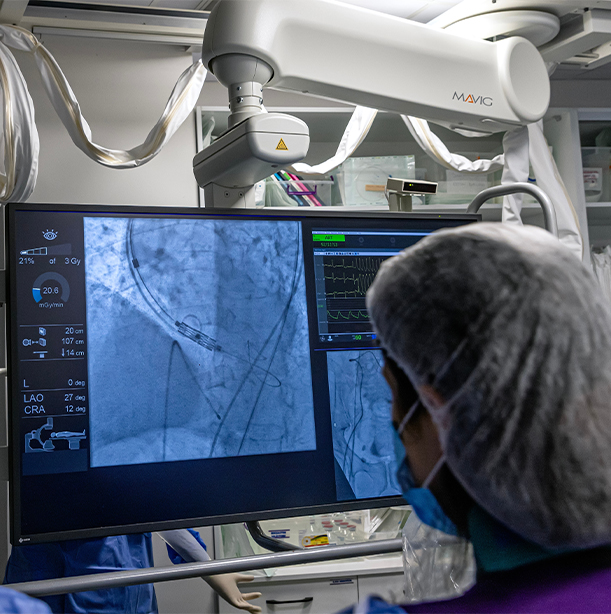
At Apollo Hospitals, we offer two advanced approaches to treating aortic aneurysms, tailored to your specific condition. Endovascular Aneurysm Repair (EVAR) is our minimally invasive option, involving the placement of a stent graft through small incisions. This innovative approach typically requires only a 2-3 day hospital stay and offers a quicker recovery time, making it an excellent choice for suitable candidates.
For more complex cases, we perform traditional open surgical repair, where our surgeons replace the weakened portion of your aorta with a synthetic graft. While this approach requires a longer recovery period of 4-6 weeks and more extensive monitoring, it provides a durable solution for complex aneurysms. Our team carefully evaluates each case to recommend the most appropriate approach for your specific situation.

Peripheral artery bypass surgery is a crucial procedure for treating severe peripheral artery disease (PAD). This 3-5 hour surgery creates a new pathway for blood flow around blocked arteries using either a synthetic graft or your own vein. Performed under general anesthesia, this procedure requires meticulous surgical technique and careful post-operative monitoring.
Your recovery journey includes comprehensive post-surgical care featuring anticoagulation therapy, regular monitoring, and a structured exercise rehabilitation program. We also work with you to implement necessary lifestyle modifications that support long-term success. Our team provides continuous support throughout your recovery process, ensuring optimal outcomes.

Angioplasty and stenting represent the cornerstone of minimally invasive vascular treatment. This sophisticated procedure begins with the insertion of a specialized catheter through a small incision. Our surgeons then guide this catheter to the blocked area, where a small balloon is inflated to widen the narrowed artery. A stent is then precisely placed to keep the artery open, ensuring continued blood flow. Most patients can return home the same day, making this an effective and convenient treatment option.
Our advanced imaging systems enable precise placement of these devices, while our experienced team ensures optimal results. The procedure's minimally invasive nature typically allows for rapid recovery and returns to normal activities, with most patients experiencing immediate improvement in their symptoms.

Thrombectomy is a critical procedure for removing life-threatening blood clots from your blood vessels. At Apollo Hospitals, we offer both mechanical thrombectomy using specialized devices and aspiration thrombectomy that employs suction technology. This procedure is particularly vital in emergency situations, where rapid restoration of blood flow is essential to prevent tissue damage.
The benefits of thrombectomy include immediate improvement in blood flow, prevention of serious complications, and reduced risk of long-term damage. Our team of specialists performs these procedures in our state-of-the-art endovascular suites, ensuring the highest levels of safety and effectiveness.

IVC filter placement is a preventive procedure designed to protect patients at high risk of pulmonary embolism. We offer both permanent filters for long-term protection and retrievable filters for temporary needs. The procedure involves carefully placing a small device in your inferior vena cava to catch any blood clots before they can reach your lungs.
Regular monitoring and follow-up imaging are essential parts of this treatment, ensuring the filter remains properly positioned and effective. Our team carefully evaluates each patient's needs to determine the most appropriate type of filter and monitors its performance through scheduled follow-up visits.
Know more about IVC Filter Placement

Our comprehensive Venous treatment program includes both traditional and minimally invasive options. For severe varicose veins, traditional vein stripping may be recommended, involving surgical removal of problematic veins with a 2-4 week recovery period. However, we often employ minimally invasive methods such as radiofrequency ablation and laser treatment, which offer faster recovery times and minimal discomfort.
These treatments provide significant benefits, including relief from symptoms, improved appearance, and prevention of complications. Our approach focuses on enhancing your quality of life while ensuring the best possible cosmetic and functional outcomes.

EVAR is a sophisticated, minimally invasive technique for treating both abdominal and thoracic aortic aneurysms. Through small incisions in the groin, we guide a stent graft to the aneurysm site and expand it to reinforce the weakened arterial wall. This procedure typically requires only a 1-2 day hospital stay, with return to normal activities within 2 weeks. EVAR has shown high success rates in reducing aneurysm rupture risk.
Bypass surgery is an essential vascular procedure that creates new pathways for blood flow when arteries become severely blocked. At Apollo Hospitals, our expert surgical team performs this intricate procedure by using either a synthetic graft or your own healthy artery /vein to create a detour around the blocked artery. The surgery typically takes 3-5 hours under general anesthesia, during which our surgeons carefully construct this new route to restore proper blood circulation to affected areas.
The post-surgical care is crucial for long-term success. We provide comprehensive follow-up care including anticoagulation therapy to prevent blood clots, regular monitoring of the bypass graft, and a structured rehabilitation program. Our team works closely with you to implement necessary lifestyle changes and establish an exercise routine that promotes healing and maintains the longevity of the bypass. Most patients require 4-6 weeks for full recovery, during which time we provide continuous support and monitoring to ensure optimal outcomes.
Endovenous laser therapy represents a state-of-the-art, minimally invasive approach to treating varicose veins and chronic venous insufficiency. This sophisticated procedure uses laser energy to close off problematic veins, redirecting blood flow to healthy veins. Under local anesthesia, our specialists insert a thin laser fiber into the affected vein through a tiny entry point. The laser energy carefully seals the vein shut, with the entire procedure typically taking less than an hour.
One of the major advantages of EVLT is its quick recovery time, with most patients returning to normal activities within a week. The procedure causes minimal discomfort and leaves virtually no scarring. Following treatment, we provide comprehensive follow-up care including compression therapy and activity guidelines to ensure the best possible results. Regular monitoring helps confirm the treated veins remain closed and verifies improvement in circulation. Most patients experience significant relief from symptoms and visible improvement in the appearance of their legs.
Modern vascular care at Apollo Hospitals relies on advanced imaging technologies for precise diagnosis and treatment. Our key imaging capabilities include:
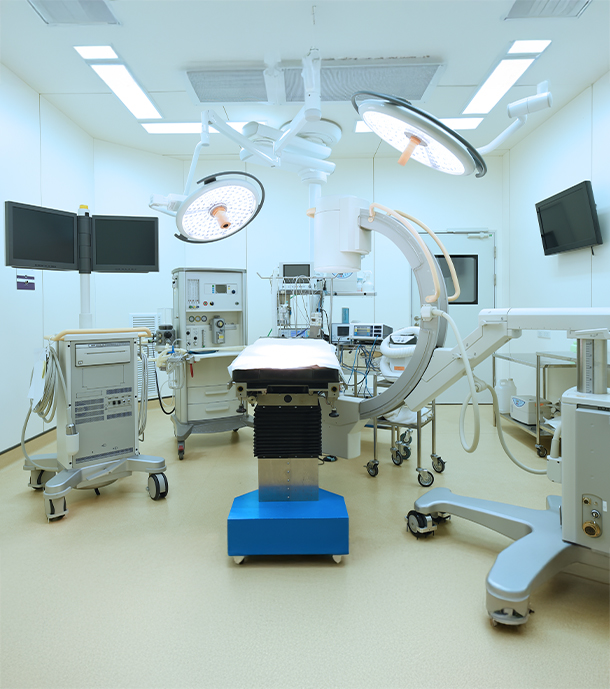
These devices allow targeted treatments with minimal disruption to surrounding tissues.
These devices are used for minimally invasive vascular procedures to treat conditions such as aneurysms, arterial blockages, and vascular malformations. They include:
1. Stent Grafts:
2. Drug-Eluting Balloons:
3. Embolization Coils:
Small coils used to block blood flow in targeted blood vessels, often to treat aneurysms or stop bleeding.
They are inserted via a catheter and create a controlled clot to prevent blood flow to abnormal areas.
These devices enable precise, targeted treatments with minimal disruption to surrounding tissue, significantly reducing recovery time and surgical risks.

Our hybrid ORs combine traditional surgical capabilities with advanced imaging:
Applications:
Advantages:

At Apollo Hospitals, we believe that preventing vascular diseases is as important as treating them. Our comprehensive prevention and wellness programs focus on early detection and risk reduction through proactive care and lifestyle modifications.
Through these comprehensive prevention and wellness initiatives, we help you maintain optimal vascular health and reduce your risk of developing serious vascular conditions. Our team remains committed to supporting you in achieving and maintaining good vascular health through preventive care and early intervention.
Our preventive care approach combines regular health monitoring with personalized lifestyle guidance. We work closely with you to identify and manage risk factors before they lead to serious vascular conditions. Through regular consultations and screenings, we help you maintain optimal vascular health and prevent potential complications.
Our specialists conduct thorough evaluations to assess your vascular health risks, considering factors such as:
We offer comprehensive lifestyle counseling focusing on key areas that impact vascular health:
We design personalized exercise programs that are safe and effective for your specific condition. Our recommendations include:
Our prevention program includes regular monitoring of key health indicators:



Clear communication is a cornerstone of effective medical care, particularly for international patients. The International Patients Vascular Program provides professional interpreter services to bridge language barriers and ensure patients and families fully understand their diagnosis, treatment options, and care plans.
Key Aspects

After undergoing a vascular procedure, international patients receive dedicated post-procedure care to support recovery and ensure optimal outcomes.




 Best Hospital Near me Chennai
Best Hospital Near me Bangalore
Best Hospital Near me Hyderabad
Best Hospital Near me Mumbai
Best Hospital Near me Delhi
Best Hospital Near me Kolkata
Best Hospital Near me Pune
Best Hospital Near me Ahmedabad
Best Hospital Near me Bhubaneswar
Best Hospital Near me Bilaspur
Best Hospital Near me Guwahati
Best Hospital Near me Indore
Best Hospital Near me Kochi
Best Hospital Near me Lucknow
Best Hospital Near me Madurai
Best Hospital Near me Mysore
Best Hospital Near me Nashik
Best Hospital Near me Noida
Best Hospital Near me Rourkela
Best Hospital Near me Visakhapatnam
Cardiologist Near me in Chennai
Cardiologist Near me in Bangalore
Cardiologist Near me in Hyderabad
Cardiologist Near me in Mumbai
Cardiologist Near me in Delhi
Cardiologist Near me in Kolkata
Cardiologist Near me in Pune
Cardiologist Near me in Ahmedabad
Cardiologist Near me in Bhubaneswar
Cardiologist Near me in Bilaspur
Cardiologist Near me in Guwahati
Cardiologist Near me in Indore
Cardiologist Near me in Kochi
Cardiologist Near me in Lucknow
Cardiologist Near me in Madurai
Cardiologist Near me in Mysore
Cardiologist Near me in Nashik
Cardiologist Near me in Noida
Cardiologist Near me in Rourkela
Cardiologist Near me in Visakhapatnam
Neurologist Near me in Chennai
Neurologist Near me in Bangalore
Neurologist Near me in Hyderabad
Neurologist Near me in Mumbai
Neurologist Near me in Delhi
Neurologist Near me in Kolkata
Neurologist Near me in Ahmedabad
Neurologist Near me in Bhubaneswar
Neurologist Near me in Bilaspur
Neurologist Near me in Guwahati
Neurologist Near me in Indore
Neurologist Near me in Kochi
Neurologist Near me in Lucknow
Neurologist Near me in Madurai
Neurologist Near me in Mysore
Neurologist Near me in Nashik
Neurologist Near me in Noida
Neurologist Near me in Rourkela
Neurologist Near me in Visakhapatnam
Orthopedician Near me in Chennai
Orthopedician Near me in Bangalore
Orthopedician Near me in Hyderabad
Orthopedician Near me in Mumbai
Orthopedician Near me in Delhi
Orthopedician Near me in Kolkata
Orthopedician Near me in Pune
Orthopedician Near me in Ahmedabad
Orthopedician Near me in Bhubaneswar
Orthopedician Near me in Bilaspur
Orthopedician Near me in Guwahati
Orthopedician Near me in Indore
Orthopedician Near me in Kochi
Orthopedician Near me in Lucknow
Orthopedician Near me in Madurai
Orthopedician Near me in Mysore
Orthopedician Near me in Nashik
Orthopedician Near me in Noida
Orthopedician Near me in Rourkela
Orthopedician Near me in Visakhapatnam
Oncologist Near me in Chennai
Oncologist Near me in Bangalore
Oncologist Near me in Hyderabad
Oncologist Near me in Mumbai
Oncologist Near me in Delhi
Oncologist Near me in Kolkata
Oncologist Near me in Pune
Oncologist Near me in Ahmedabad
Oncologist Near me in Bhubaneswar
Oncologist Near me in Bilaspur
Oncologist Near me in Guwahati
Oncologist Near me in Indore
Oncologist Near me in Kochi
Oncologist Near me in Lucknow
Oncologist Near me in Madurai
Oncologist Near me in Mysore
Oncologist Near me in Nashik
Oncologist Near me in Noida
Oncologist Near me in Rourkela
Gastroenterologist Near me in Chennai
Gastroenterologist Near me in Bangalore
Gastroenterologist Near me in Hyderabad
Gastroenterologist Near me in Mumbai
Gastroenterologist Near me in Delhi
Gastroenterologist Near me in Kolkata
Gastroenterologist Near me in Pune
Gastroenterologist Near me in Ahmedabad
Gastroenterologist Near me in Bhubaneswar
Gastroenterologist Near me in Bilaspur
Gastroenterologist Near me in Guwahati
Gastroenterologist Near me in Indore
Gastroenterologist Near me in Kochi
Gastroenterologist Near me in Lucknow
Gastroenterologist Near me in Madurai
Gastroenterologist Near me in Mysore
Gastroenterologist Near me in Nashik
Gastroenterologist Near me in Noida
Gastroenterologist Near me in Rourkela
Gastroenterologist Near me in Visakhapatnam
Transplant Surgeon Near me in Chennai
Transplant Surgeon Near me in Bangalore
Transplant Surgeon Near me in Hyderabad
Transplant Surgeon Near me in Mumbai
Transplant Surgeon Near me in Delhi
Transplant Surgeon Near me in Kolkata
Transplant Surgeon Near me in Indore
Transplant Surgeon Near me in Kochi
Transplant Surgeon Near me in Lucknow
Transplant Surgeon Near me in Mysore
ENT Specialist Near me in Chennai
ENT Specialist Near me in Bangalore
ENT Specialist Near me in Hyderabad
ENT Specialist Near me in Mumbai
ENT Specialist Near me in Delhi
ENT Specialist Near me in Kolkata
ENT Specialist Near me in Pune
ENT Specialist Near me in Ahmedabad
ENT Specialist Near me in Bhubaneswar
ENT Specialist Near me in Bilaspur
ENT Specialist Near me in Guwahati
ENT Specialist Near me in Indore
ENT Specialist Near me in Kochi
ENT Specialist Near me in Lucknow
ENT Specialist Near me in Madurai
ENT Specialist Near me in Mysore
ENT Specialist Near me in Nashik
ENT Specialist Near me in Noida
ENT Specialist Near me in Rourkela
ENT Specialist Near me in Visakhapatnam
Pulmonologist Near me in Chennai
Pulmonologist Near me in Bangalore
Pulmonologist Near me in Hyderabad
Pulmonologist Near me in Mumbai
Pulmonologist Near me in Delhi
Pulmonologist Near me in Kolkata
Pulmonologist Near me in Ahmedabad
Pulmonologist Near me in Bhubaneswar
Pulmonologist Near me in Bilaspur
Pulmonologist Near me in Guwahati
Pulmonologist Near me in Indore
Pulmonologist Near me in Kochi
Pulmonologist Near me in Lucknow
Pulmonologist Near me in Madurai
Pulmonologist Near me in Mysore
Pulmonologist Near me in Nashik
Pulmonologist Near me in Noida
Pulmonologist Near me in Rourkela
Pulmonologist Near me in Visakhapatnam
Dentist Near me in Chennai
Dentist Near me in Bangalore
Dentist Near me in Hyderabad
Dentist Near me in Delhi
Dentist Near me in Kolkata
Dentist Near me in Ahmedabad
Dentist Near me in Bhubaneswar
Dentist Near me in Bilaspur
Dentist Near me in Guwahati
Dentist Near me in Kochi
Dentist Near me in Lucknow
Dentist Near me in Madurai
Dentist Near me in Nashik
Dentist Near me in Noida
Dentist Near me in Rourkela
Dentist Near me in Visakhapatnam
Pediatrician Near me in Chennai
Pediatrician Near me in Bangalore
Pediatrician Near me in Hyderabad
Pediatrician Near me in Mumbai
Pediatrician Near me in Delhi
Pediatrician Near me in Kolkata
Pediatrician Near me in Pune
Pediatrician Near me in Ahmedabad
Pediatrician Near me in Bhubaneswar
Pediatrician Near me in Bilaspur
Pediatrician Near me in Guwahati
Pediatrician Near me in Indore
Pediatrician Near me in Kochi
Pediatrician Near me in Lucknow
Pediatrician Near me in Madurai
Pediatrician Near me in Mysore
Pediatrician Near me in Nashik
Pediatrician Near me in Noida
Pediatrician Near me in Visakhapatnam
Dermatologist Near me in Chennai
Dermatologist Near me in Bangalore
Dermatologist Near me in Hyderabad
Dermatologist Near me in Delhi
Dermatologist Near me in Kolkata
Dermatologist Near me in Ahmedabad
Dermatologist Near me in Bhubaneswar
Dermatologist Near me in Bilaspur
Dermatologist Near me in Guwahati
Dermatologist Near me in Indore
Dermatologist Near me in Kochi
Dermatologist Near me in Lucknow
Dermatologist Near me in Madurai
Dermatologist Near me in Mysore
Dermatologist Near me in Noida
Dermatologist Near me in Visakhapatnam
Urologist Near me in Chennai
Urologist Near me in Bangalore
Urologist Near me in Hyderabad
Urologist Near me in Delhi
Urologist Near me in Kolkata
Urologist Near me in Pune
Urologist Near me in Ahmedabad
Urologist Near me in Bhubaneswar
Urologist Near me in Bilaspur
Urologist Near me in Guwahati
Urologist Near me in Indore
Urologist Near me in Kochi
Urologist Near me in Lucknow
Urologist Near me in Madurai
Urologist Near me in Mysore
Urologist Near me in Nashik
Urologist Near me in Noida
Urologist Near me in Rourkela
Urologist Near me in Visakhapatnam
Endocrinologist and Diabetologist Near me in Chennai
Endocrinologist and Diabetologist Near me in Bangalore
Endocrinologist and Diabetologist Near me in Hyderabad
Endocrinologist and Diabetologist Near me in Mumbai
Endocrinologist and Diabetologist Near me in Delhi
Endocrinologist and Diabetologist Near me in Kolkata
Endocrinologist and Diabetologist Near me in Pune
Endocrinologist and Diabetologist Near me in Ahmedabad
Endocrinologist and Diabetologist Near me in Bhubaneswar
Endocrinologist and Diabetologist Near me in Bilaspur
Endocrinologist and Diabetologist Near me in Guwahati
Endocrinologist and Diabetologist Near me in Indore
Endocrinologist and Diabetologist Near me in Kochi
Endocrinologist and Diabetologist Near me in Lucknow
Endocrinologist and Diabetologist Near me in Madurai
Endocrinologist and Diabetologist Near me in Mysore
Endocrinologist and Diabetologist Near me in Noida
Endocrinologist and Diabetologist Near me in Rourkela
Endocrinologist and Diabetologist Near me in Visakhapatnam
Gynecologist Near me in Chennai
Gynecologist Near me in Bangalore
Gynecologist Near me in Hyderabad
Gynecologist Near me in Mumbai
Gynecologist Near me in Delhi
Gynecologist Near me in Kolkata
Gynecologist Near me in Ahmedabad
Gynecologist Near me in Bhubaneswar
Gynecologist Near me in Bilaspur
Gynecologist Near me in Guwahati
Gynecologist Near me in Indore
Gynecologist Near me in Kochi
Gynecologist Near me in Lucknow
Gynecologist Near me in Madurai
Gynecologist Near me in Mysore
Gynecologist Near me in Nashik
Gynecologist Near me in Noida
Gynecologist Near me in Rourkela
Gynecologist Near me in Visakhapatnam
General Physician Near me in Chennai
General Physician Near me in Bangalore
General Physician Near me in Hyderabad
General Physician Near me in Mumbai
General Physician Near me in Delhi
General Physician Near me in Kolkata
General Physician Near me in Pune
General Physician Near me in Ahmedabad
General Physician Near me in Bhubaneswar
General Physician Near me in Bilaspur
General Physician Near me in Guwahati
General Physician Near me in Indore
General Physician Near me in Kochi
General Physician Near me in Lucknow
General Physician Near me in Madurai
General Physician Near me in Mysore
General Physician Near me in Nashik
General Physician Near me in Noida
General Physician Near me in Visakhapatnam
Psychologist Near me in Chennai
Psychologist Near me in Bangalore
Psychologist Near me in Hyderabad
Psychologist Near me in Mumbai
Psychologist Near me in Delhi
Psychologist Near me in Kolkata
Psychologist Near me in Ahmedabad
Psychologist Near me in Bhubaneswar
Psychologist Near me in Bilaspur
Psychologist Near me in Guwahati
Psychologist Near me in Indore
Psychologist Near me in Kochi
Psychologist Near me in Lucknow
Psychologist Near me in Madurai
Psychologist Near me in Mysore
Psychologist Near me in Nashik
Psychologist Near me in Noida
Psychologist Near me in Visakhapatnam
General Surgeon Near me in Chennai
General Surgeon Near me in Bangalore
General Surgeon Near me in Hyderabad
General Surgeon Near me in Mumbai
General Surgeon Near me in Delhi
General Surgeon Near me in Kolkata
General Surgeon Near me in Pune
General Surgeon Near me in Ahmedabad
General Surgeon Near me in Bhubaneswar
General Surgeon Near me in Bilaspur
General Surgeon Near me in Guwahati
General Surgeon Near me in Indore
General Surgeon Near me in Lucknow
General Surgeon Near me in Madurai
General Surgeon Near me in Mysore
General Surgeon Near me in Nashik
General Surgeon Near me in Noida
General Surgeon Near me in Rourkela
Best Hospital in Karukutty, Cochin
Best Hospital in Greams Road, Chennai
Best Hospital in Kuvempunagar, Mysore
Best Hospital in Vanagaram, Chennai
Best Hospital in Teynampet, Chennai
Best Hospital in OMR, Chennai
Best Cancer Hospital in Bhat, Gandhinagar, Ahmedabad
Best Cancer Hospital in Electronic City, Bangalore
Best Cancer Hospital in Teynampet, Chennai
Best Cancer Hospital in HSR Layout, Bangalore
Best Proton Cancer Centre in Chennai
Best Children's Hospital in Thousand Lights, Chennai
Best Women’s Hospital in Thousand Lights, Chennai
Best Hospital in Paschim Boragaon, Guwahati
Best Hospital in P H Road, Chennai
Best Heart Centre in Thousand Lights, Chennai
Best Hospital in Jubilee Hills, Hyderabad
Best Hospital in Tondiarpet, Chennai
Best Hospital in Kotturpuram, Chennai
Best Hospital in Kovai Road, Karur
Best Hospital in Karapakkam, Chennai
Best Hospital in Arilova, Vizag
Best Hospital in Kanpur Road, Lucknow
Best Hospital in Sector-26, Noida
Best Hospital in Gandhinagar, Ahmedabad
Best Hospital in Aragonda, Andhra Pradesh
Best Hospital in Bannerghatta Road, Bangalore
Best Hospital in Unit-15, Bhubaneswar
Best Hospital in Seepat Road, Bilaspur
Best Hospital in Ellisbridge, Ahmedabad
Best Hospital in New Delhi
Best Hospital in DRDO, Hyderabad
Best Hospital in G S Road, Guwahati
Best Hospital in Hyderguda, Hyderabad
Best Hospital in Vijay Nagar, Indore
Best Hospital in Suryaraopeta Main Road, Kakinada
Best Hospital in Canal Circular Road, Kolkata
Best Hospital in CBD Belapur, Navi Mumbai
Best Hospital in Panchavati, Nashik
Best Hospital in secunderabad, Hyderabad
Best Hospital in Seshadripuram, Bangalore
Best Hospital in Waltair Main Road, Visakhapatnam
Best Hospital in Subhash Nagar Road, Karimnagar
Best Hospital in Managari, Karaikudi
Best Hospital in Arepally, Warangal
Best Hospital in Arera Colony, Bhopal
Best Hospital in Jayanagar, Bangalore
Best Hospital in KK Nagar, Madurai
Best Hospital in Ramji Nagar, Nellore
Best Hospital in Sector-19, Rourkela
Best Hospital in Swargate, Pune
Best Women’s Cancer Hospital in South Delhi
CABG
CAR T Cell Therapy
Laparoscopic Cholecystectomy
Hysterectomy
Kidney Transplant
Extracorporeal Shockwave Lithotripsy
Liver Transplant
Lung Transplant
Hip Arthroscopy
Total Hip Replacement
Proton Therapy
Minimally Invasive Subvastus Total Knee Replacement
Fast Track Daycare Knee Replacement
Sleeve Gastrectomy
Lasik Surgery
Rhinoplasty
Liposuction
Coronary Angiogram
Transcatheter Aortic Valve Replacement
MitraClip Valve Repair
Minimally Invasive Cardiac Surgery
Catheter Ablation
ACL Reconstruction Surgery
Reverse Shoulder Replacement
Endometrial Ablation
Uterine Artery Embolization
Ovarian Cystectomy
Breast Cancer Surgery
Brachytherapy
Colonoscopy
Polypectomy
Deep Brain Stimulation
Peritoneal Dialysis
Kidney Biopsy
Parathyroidectomy
Cytoreductive Surgery
Ceramic Total Knee Replacement
ERCP
Best Hospital Near me Chennai
Best Hospital Near me Bangalore
Best Hospital Near me Hyderabad
Best Hospital Near me Mumbai
Best Hospital Near me Delhi
Best Hospital Near me Kolkata
Best Hospital Near me Pune
Best Hospital Near me Ahmedabad
Best Hospital Near me Bhubaneswar
Best Hospital Near me Bilaspur
Best Hospital Near me Guwahati
Best Hospital Near me Indore
Best Hospital Near me Kochi
Best Hospital Near me Lucknow
Best Hospital Near me Madurai
Best Hospital Near me Mysore
Best Hospital Near me Nashik
Best Hospital Near me Noida
Best Hospital Near me Rourkela
Best Hospital Near me Visakhapatnam
Cardiologist Near me in Chennai
Cardiologist Near me in Bangalore
Cardiologist Near me in Hyderabad
Cardiologist Near me in Mumbai
Cardiologist Near me in Delhi
Cardiologist Near me in Kolkata
Cardiologist Near me in Pune
Cardiologist Near me in Ahmedabad
Cardiologist Near me in Bhubaneswar
Cardiologist Near me in Bilaspur
Cardiologist Near me in Guwahati
Cardiologist Near me in Indore
Cardiologist Near me in Kochi
Cardiologist Near me in Lucknow
Cardiologist Near me in Madurai
Cardiologist Near me in Mysore
Cardiologist Near me in Nashik
Cardiologist Near me in Noida
Cardiologist Near me in Rourkela
Cardiologist Near me in Visakhapatnam
Neurologist Near me in Chennai
Neurologist Near me in Bangalore
Neurologist Near me in Hyderabad
Neurologist Near me in Mumbai
Neurologist Near me in Delhi
Neurologist Near me in Kolkata
Neurologist Near me in Ahmedabad
Neurologist Near me in Bhubaneswar
Neurologist Near me in Bilaspur
Neurologist Near me in Guwahati
Neurologist Near me in Indore
Neurologist Near me in Kochi
Neurologist Near me in Lucknow
Neurologist Near me in Madurai
Neurologist Near me in Mysore
Neurologist Near me in Nashik
Neurologist Near me in Noida
Neurologist Near me in Rourkela
Neurologist Near me in Visakhapatnam
Orthopedician Near me in Chennai
Orthopedician Near me in Bangalore
Orthopedician Near me in Hyderabad
Orthopedician Near me in Mumbai
Orthopedician Near me in Delhi
Orthopedician Near me in Kolkata
Orthopedician Near me in Pune
Orthopedician Near me in Ahmedabad
Orthopedician Near me in Bhubaneswar
Orthopedician Near me in Bilaspur
Orthopedician Near me in Guwahati
Orthopedician Near me in Indore
Orthopedician Near me in Kochi
Orthopedician Near me in Lucknow
Orthopedician Near me in Madurai
Orthopedician Near me in Mysore
Orthopedician Near me in Nashik
Orthopedician Near me in Noida
Orthopedician Near me in Rourkela
Orthopedician Near me in Visakhapatnam
Oncologist Near me in Chennai
Oncologist Near me in Bangalore
Oncologist Near me in Hyderabad
Oncologist Near me in Mumbai
Oncologist Near me in Delhi
Oncologist Near me in Kolkata
Oncologist Near me in Pune
Oncologist Near me in Ahmedabad
Oncologist Near me in Bhubaneswar
Oncologist Near me in Bilaspur
Oncologist Near me in Guwahati
Oncologist Near me in Indore
Oncologist Near me in Kochi
Oncologist Near me in Lucknow
Oncologist Near me in Madurai
Oncologist Near me in Mysore
Oncologist Near me in Nashik
Oncologist Near me in Noida
Oncologist Near me in Rourkela
Gastroenterologist Near me in Chennai
Gastroenterologist Near me in Bangalore
Gastroenterologist Near me in Hyderabad
Gastroenterologist Near me in Mumbai
Gastroenterologist Near me in Delhi
Gastroenterologist Near me in Kolkata
Gastroenterologist Near me in Pune
Gastroenterologist Near me in Ahmedabad
Gastroenterologist Near me in Bhubaneswar
Gastroenterologist Near me in Bilaspur
Gastroenterologist Near me in Guwahati
Gastroenterologist Near me in Indore
Gastroenterologist Near me in Kochi
Gastroenterologist Near me in Lucknow
Gastroenterologist Near me in Madurai
Gastroenterologist Near me in Mysore
Gastroenterologist Near me in Nashik
Gastroenterologist Near me in Noida
Gastroenterologist Near me in Rourkela
Gastroenterologist Near me in Visakhapatnam
Transplant Surgeon Near me in Chennai
Transplant Surgeon Near me in Bangalore
Transplant Surgeon Near me in Hyderabad
Transplant Surgeon Near me in Mumbai
Transplant Surgeon Near me in Delhi
Transplant Surgeon Near me in Kolkata
Transplant Surgeon Near me in Indore
Transplant Surgeon Near me in Kochi
Transplant Surgeon Near me in Lucknow
Transplant Surgeon Near me in Mysore
ENT Specialist Near me in Chennai
ENT Specialist Near me in Bangalore
ENT Specialist Near me in Hyderabad
ENT Specialist Near me in Mumbai
ENT Specialist Near me in Delhi
ENT Specialist Near me in Kolkata
ENT Specialist Near me in Pune
ENT Specialist Near me in Ahmedabad
ENT Specialist Near me in Bhubaneswar
ENT Specialist Near me in Bilaspur
ENT Specialist Near me in Guwahati
ENT Specialist Near me in Indore
ENT Specialist Near me in Kochi
ENT Specialist Near me in Lucknow
ENT Specialist Near me in Madurai
ENT Specialist Near me in Mysore
ENT Specialist Near me in Nashik
ENT Specialist Near me in Noida
ENT Specialist Near me in Rourkela
ENT Specialist Near me in Visakhapatnam
Pulmonologist Near me in Chennai
Pulmonologist Near me in Bangalore
Pulmonologist Near me in Hyderabad
Pulmonologist Near me in Mumbai
Pulmonologist Near me in Delhi
Pulmonologist Near me in Kolkata
Pulmonologist Near me in Ahmedabad
Pulmonologist Near me in Bhubaneswar
Pulmonologist Near me in Bilaspur
Pulmonologist Near me in Guwahati
Pulmonologist Near me in Indore
Pulmonologist Near me in Kochi
Pulmonologist Near me in Lucknow
Pulmonologist Near me in Madurai
Pulmonologist Near me in Mysore
Pulmonologist Near me in Nashik
Pulmonologist Near me in Noida
Pulmonologist Near me in Rourkela
Pulmonologist Near me in Visakhapatnam
Dentist Near me in Chennai
Dentist Near me in Bangalore
Dentist Near me in Hyderabad
Dentist Near me in Delhi
Dentist Near me in Kolkata
Dentist Near me in Ahmedabad
Dentist Near me in Bhubaneswar
Dentist Near me in Bilaspur
Dentist Near me in Guwahati
Dentist Near me in Kochi
Dentist Near me in Lucknow
Dentist Near me in Madurai
Dentist Near me in Nashik
Dentist Near me in Noida
Dentist Near me in Rourkela
Dentist Near me in Visakhapatnam
Pediatrician Near me in Chennai
Pediatrician Near me in Bangalore
Pediatrician Near me in Hyderabad
Pediatrician Near me in Mumbai
Pediatrician Near me in Delhi
Pediatrician Near me in Kolkata
Pediatrician Near me in Pune
Pediatrician Near me in Ahmedabad
Pediatrician Near me in Bhubaneswar
Pediatrician Near me in Bilaspur
Pediatrician Near me in Guwahati
Pediatrician Near me in Indore
Pediatrician Near me in Kochi
Pediatrician Near me in Lucknow
Pediatrician Near me in Madurai
Pediatrician Near me in Mysore
Pediatrician Near me in Nashik
Pediatrician Near me in Noida
Pediatrician Near me in Visakhapatnam
Dermatologist Near me in Chennai
Dermatologist Near me in Bangalore
Dermatologist Near me in Hyderabad
Dermatologist Near me in Delhi
Dermatologist Near me in Kolkata
Dermatologist Near me in Ahmedabad
Dermatologist Near me in Bhubaneswar
Dermatologist Near me in Bilaspur
Dermatologist Near me in Guwahati
Dermatologist Near me in Indore
Dermatologist Near me in Kochi
Dermatologist Near me in Lucknow
Dermatologist Near me in Madurai
Dermatologist Near me in Mysore
Dermatologist Near me in Noida
Dermatologist Near me in Visakhapatnam
Urologist Near me in Chennai
Urologist Near me in Bangalore
Urologist Near me in Hyderabad
Urologist Near me in Delhi
Urologist Near me in Kolkata
Urologist Near me in Pune
Urologist Near me in Ahmedabad
Urologist Near me in Bhubaneswar
Urologist Near me in Bilaspur
Urologist Near me in Guwahati
Urologist Near me in Indore
Urologist Near me in Kochi
Urologist Near me in Lucknow
Urologist Near me in Madurai
Urologist Near me in Mysore
Urologist Near me in Nashik
Urologist Near me in Noida
Urologist Near me in Rourkela
Urologist Near me in Visakhapatnam
Endocrinologist and Diabetologist Near me in Chennai
Endocrinologist and Diabetologist Near me in Bangalore
Endocrinologist and Diabetologist Near me in Hyderabad
Endocrinologist and Diabetologist Near me in Mumbai
Endocrinologist and Diabetologist Near me in Delhi
Endocrinologist and Diabetologist Near me in Kolkata
Endocrinologist and Diabetologist Near me in Pune
Endocrinologist and Diabetologist Near me in Ahmedabad
Endocrinologist and Diabetologist Near me in Bhubaneswar
Endocrinologist and Diabetologist Near me in Bilaspur
Endocrinologist and Diabetologist Near me in Guwahati
Endocrinologist and Diabetologist Near me in Indore
Endocrinologist and Diabetologist Near me in Kochi
Endocrinologist and Diabetologist Near me in Lucknow
Endocrinologist and Diabetologist Near me in Madurai
Endocrinologist and Diabetologist Near me in Mysore
Endocrinologist and Diabetologist Near me in Noida
Endocrinologist and Diabetologist Near me in Rourkela
Endocrinologist and Diabetologist Near me in Visakhapatnam
Gynecologist Near me in Chennai
Gynecologist Near me in Bangalore
Gynecologist Near me in Hyderabad
Gynecologist Near me in Mumbai
Gynecologist Near me in Delhi
Gynecologist Near me in Kolkata
Gynecologist Near me in Ahmedabad
Gynecologist Near me in Bhubaneswar
Gynecologist Near me in Bilaspur
Gynecologist Near me in Guwahati
Gynecologist Near me in Indore
Gynecologist Near me in Kochi
Gynecologist Near me in Lucknow
Gynecologist Near me in Madurai
Gynecologist Near me in Mysore
Gynecologist Near me in Nashik
Gynecologist Near me in Noida
Gynecologist Near me in Rourkela
Gynecologist Near me in Visakhapatnam
General Physician Near me in Chennai
General Physician Near me in Bangalore
General Physician Near me in Hyderabad
General Physician Near me in Mumbai
General Physician Near me in Delhi
General Physician Near me in Kolkata
General Physician Near me in Pune
General Physician Near me in Ahmedabad
General Physician Near me in Bhubaneswar
General Physician Near me in Bilaspur
General Physician Near me in Guwahati
General Physician Near me in Indore
General Physician Near me in Kochi
General Physician Near me in Lucknow
General Physician Near me in Madurai
General Physician Near me in Mysore
General Physician Near me in Nashik
General Physician Near me in Noida
General Physician Near me in Visakhapatnam
Psychologist Near me in Chennai
Psychologist Near me in Bangalore
Psychologist Near me in Hyderabad
Psychologist Near me in Mumbai
Psychologist Near me in Delhi
Psychologist Near me in Kolkata
Psychologist Near me in Ahmedabad
Psychologist Near me in Bhubaneswar
Psychologist Near me in Bilaspur
Psychologist Near me in Guwahati
Psychologist Near me in Indore
Psychologist Near me in Kochi
Psychologist Near me in Lucknow
Psychologist Near me in Madurai
Psychologist Near me in Mysore
Psychologist Near me in Nashik
Psychologist Near me in Noida
Psychologist Near me in Visakhapatnam
General Surgeon Near me in Chennai
General Surgeon Near me in Bangalore
General Surgeon Near me in Hyderabad
General Surgeon Near me in Mumbai
General Surgeon Near me in Delhi
General Surgeon Near me in Kolkata
General Surgeon Near me in Pune
General Surgeon Near me in Ahmedabad
General Surgeon Near me in Bhubaneswar
General Surgeon Near me in Bilaspur
General Surgeon Near me in Guwahati
General Surgeon Near me in Indore
General Surgeon Near me in Lucknow
General Surgeon Near me in Madurai
General Surgeon Near me in Mysore
General Surgeon Near me in Nashik
General Surgeon Near me in Noida
General Surgeon Near me in Rourkela
Best Hospital in Karukutty, Cochin
Best Hospital in Greams Road, Chennai
Best Hospital in Kuvempunagar, Mysore
Best Hospital in Vanagaram, Chennai
Best Hospital in Teynampet, Chennai
Best Hospital in OMR, Chennai
Best Cancer Hospital in Bhat, Gandhinagar, Ahmedabad
Best Cancer Hospital in Electronic City, Bangalore
Best Cancer Hospital in Teynampet, Chennai
Best Cancer Hospital in HSR Layout, Bangalore
Best Proton Cancer Centre in Chennai
Best Children's Hospital in Thousand Lights, Chennai
Best Women’s Hospital in Thousand Lights, Chennai
Best Hospital in Paschim Boragaon, Guwahati
Best Hospital in P H Road, Chennai
Best Heart Centre in Thousand Lights, Chennai
Best Hospital in Jubilee Hills, Hyderabad
Best Hospital in Tondiarpet, Chennai
Best Hospital in Kotturpuram, Chennai
Best Hospital in Kovai Road, Karur
Best Hospital in Karapakkam, Chennai
Best Hospital in Arilova, Vizag
Best Hospital in Kanpur Road, Lucknow
Best Hospital in Sector-26, Noida
Best Hospital in Gandhinagar, Ahmedabad
Best Hospital in Aragonda, Andhra Pradesh
Best Hospital in Bannerghatta Road, Bangalore
Best Hospital in Unit-15, Bhubaneswar
Best Hospital in Seepat Road, Bilaspur
Best Hospital in Ellisbridge, Ahmedabad
Best Hospital in New Delhi
Best Hospital in DRDO, Hyderabad
Best Hospital in G S Road, Guwahati
Best Hospital in Hyderguda, Hyderabad
Best Hospital in Vijay Nagar, Indore
Best Hospital in Suryaraopeta Main Road, Kakinada
Best Hospital in Canal Circular Road, Kolkata
Best Hospital in CBD Belapur, Navi Mumbai
Best Hospital in Panchavati, Nashik
Best Hospital in secunderabad, Hyderabad
Best Hospital in Seshadripuram, Bangalore
Best Hospital in Waltair Main Road, Visakhapatnam
Best Hospital in Subhash Nagar Road, Karimnagar
Best Hospital in Managari, Karaikudi
Best Hospital in Arepally, Warangal
Best Hospital in Arera Colony, Bhopal
Best Hospital in Jayanagar, Bangalore
Best Hospital in KK Nagar, Madurai
Best Hospital in Ramji Nagar, Nellore
Best Hospital in Sector-19, Rourkela
Best Hospital in Swargate, Pune
Best Women’s Cancer Hospital in South Delhi
CABG
CAR T Cell Therapy
Laparoscopic Cholecystectomy
Hysterectomy
Kidney Transplant
Extracorporeal Shockwave Lithotripsy
Liver Transplant
Lung Transplant
Hip Arthroscopy
Total Hip Replacement
Proton Therapy
Minimally Invasive Subvastus Total Knee Replacement
Fast Track Daycare Knee Replacement
Sleeve Gastrectomy
Lasik Surgery
Rhinoplasty
Liposuction
Coronary Angiogram
Transcatheter Aortic Valve Replacement
MitraClip Valve Repair
Minimally Invasive Cardiac Surgery
Catheter Ablation
ACL Reconstruction Surgery
Reverse Shoulder Replacement
Endometrial Ablation
Uterine Artery Embolization
Ovarian Cystectomy
Breast Cancer Surgery
Brachytherapy
Colonoscopy
Polypectomy
Deep Brain Stimulation
Peritoneal Dialysis
Kidney Biopsy
Parathyroidectomy
Cytoreductive Surgery
Ceramic Total Knee Replacement
ERCP


