1066

Types of Transplant Procedures Performed at India's Top Multiorgan Transplant Hospital

The Multiorgan Transplant Program at Apollo Hospitals delivers expertise across liver transplant (5,000+ procedures), kidney transplant (21,500+ cases), heart, lung, pancreas, intestinal, and pioneering multiorgan combinations like Asia's first heart-liver transplant with 90% success rates. Our world's busiest living donor and leading deceased donor programs ensure unmatched outcomes nationwide.​
Expert Teams

As the world's busiest living donor transplant program, Apollo offers highly specialized, safe, and advanced procedures that protect both donors and recipients while delivering world-class results. With pioneering techniques, expert transplant surgeons, and outcomes that match leading global centers, we are a top choice for patients seeking the best living donor transplant hospital in India.

Deceased Donor Transplants

Apollo leads India's deceased donor transplant program, managing 29% of liver transplants and 4.6% of kidney transplants from deceased donors through our rapid-response teams and cutting-edge organ preservation technology. Our expertise spans liver transplantation (4,500+ procedures, 500 pediatric), kidney transplantation (20,000+ cases), heart transplantation (since 1995), lung transplantation (India-leading donor evaluation), pancreas transplantation (diabetes solutions), intestinal & multi-organ transplants (complex case specialists), and corneal transplantation (1,500+ procedures).

India's Best Multiorgan Transplant Program: Four Pillars of Excellence

Expert Teams

At India's best hospital for multiorgan transplants, every procedure features multidisciplinary specialists – transplant surgeons, hepatologists, nephrologists, anesthetists, intensivists, and dedicated nursing staff – ensuring seamless coordination and 90% success rates in complex cases.

Advanced Transplant Infrastructure

India's best hospital for multiorgan transplants features HEPA-filtered specialized operating theaters, state-of-the-art ICUs with advanced monitoring, NABL-accredited laboratories, and comprehensive blood banks designed for complex multiorgan procedures with 90% success rates.

Patient-Centered Multiorgan Transplant Care

India's best hospital for multiorgan transplants provides comprehensive support throughout your journey with dedicated transplant coordinators, psychological services, nutrition counseling, multilingual patient assistance, and full rehabilitation programs ensuring holistic care and superior outcomes.

Research & Innovation in Multiorgan Transplants

India's best hospital for multiorgan transplants drives boundaries through clinical research programs, international collaborations, advanced surgical techniques, and cutting-edge technology adoption, delivering pioneering breakthroughs like Asia's first heart-liver transplant.

Why Choose Apollo transplant ?

At Apollo, we believe that exceptional care requires exceptional tools. Our commitment to technological excellence is evident in every aspect of our transplant program:
Specialized Operating Theatres

Our dedicated transplant operating rooms feature:

  • Advanced HEPA (High Efficiency Particulate Air) filtration systems ensure ultra-clean air
  • State-of-the-art surgical equipment designed explicitly for transplant procedures
  • Rigorous environmental monitoring through regular microbiological sampling
  • Strict access control protocols to maintain sterility
Advanced Diagnostic and Monitoring Systems
  • 640-slice CT scanners for precise organ imaging
  • 3Tesla MRI machines for detailed tissue evaluation
  • Advanced ultrasound technology for real-time monitoring
  • Cutting-edge organ preservation systems like OrganOx Metra
  • Next-generation patient monitoring systems in dedicated ICUs
Laboratory Excellence

Our NABL-accredited laboratories provide:

  • Comprehensive testing facilities for haematological, immunological, and microbiological analysis
  • Rapid turnaround times for critical test results
  • Advanced blood component separation capabilities
  • Specialized testing for donor-recipient matching
Multidisciplinary Approach

Our approach to transplantation goes beyond surgery. Each patient benefits from a comprehensive team of specialists working in perfect coordination:

  • Transplant Surgeons and Specialists: World-renowned experts dedicated solely to transplant procedures
  • Dedicated Transplant Anesthesiologists: Specialists in managing complex transplant cases
  • Transplant Intensivists: Experts in critical care management
  • Specialized Support Team: Including dedicated:
  • Transplant coordinators
  • Nutritionists
  • Physiotherapists
  • Psychologists
  • Social workers
  • Language interpreters
  • Unit managers

This team approach ensures that every aspect of patient care is managed by an expert in that field, leading to better outcomes and faster recovery.

Transplant Statistics & Achievements

Annual Transplant Volumes

Our numbers tell a story of unparalleled experience and expertise:

  • 27,200+ solid organ transplants performed
  • 1,800+ organ transplants conducted annually
  • 5 solid organ transplants performed every day
  • Asia’s busiest solid organ transplant program since 2012
  • 21,500+ kidney transplants performed
  • 5,000+ liver transplants performed, including 600 pediatric cases


Ground-breaking Success Rates

  • 90% success rate across multiple transplant types
  • Leading outcomes in pediatric transplant procedures
  • Survival rates matching international standards
  • Exceptional success in complex multi-organ transplants
  • 25% market share in international liver transplants
  • 23% market share in international kidney transplants
Research & Innovation Milestones

Pioneer in Firsts

  • 1998: India’s first successful pediatric and adult liver transplants
  • 2008: First successful liver transplant for HIV patients in India
  • 2010: Asia’s first international air rescue for acute liver failure
  • 2018: First successful liver transplantation using OrganOx Metra
  • 2020: India’s first Double Lung Transplantation during COVID-19
  • 2020: World’s first successful bone marrow transplant for novel blood mutation (NF-E2)

Recent Achievements

  • Performed 23 organ harvests in a single day
  • Successfully split a single donor liver between two adult recipients
  • Completed India’s longest ECMO support (46 days) followed by successful double lung transplantation
  • Performed simultaneous heart, liver, and kidney transplantation
  • Achieved the milestone of 1,500 bone marrow transplant procedures
  • Completed over 75,000 dialysis procedures annually

Awards & Accreditations

  • NABL accreditation for all transplant laboratories
  • International recognition for transplant outcomes
  • Multiple awards for innovation in transplantation
  • Recognized as a global center of excellence in transplantation

International Recognition

  • Serving patients from 50+ countries
  • Preferred destination for international transplant patients
  • Recognition from international transplant societies
  • Global collaborations with leading transplant centers
  • Regular participation in international transplant conferences and research

Our statistics and achievements reflect our commitment to excellence in transplant care. Each number represents a life transformed, a family given hope, and another step forward in our mission to provide world-class transplant care. These achievements drive us to continue pushing boundaries and setting new standards in transplant medicine.

Whether you're considering a transplant for yourself or a loved one, these numbers offer reassurance that you're choosing a center with proven expertise, extensive experience, and a track record of success.

At Apollo Transplant Institutes, we don’t just perform transplants – we transform lives, advance medical science, and set new benchmarks in transplant care.

Expert Multiorgan Transplant Team

At Apollo Transplant Institutes – India's best hospital for multiorgan transplants – our world-class transplant team in India combines global expertise with specialized training from renowned institutions, delivering exceptional outcomes through perfect multidisciplinary coordination.
  • Transplant
Transplants
33+ years , MBBS, MS.DNB, FRCS(Eng) FRCS(Ed), FRCS(Glas), FRCP(Edin), MNAMS
Transplants
Liver Transplant
26+ years , MBBS(Minsk, Belarus) MS (Tata Memorial Hospital, Mumbai, India) DNB (General Surgery, India) MCh ( University College of Dublin, Ireland) MRCSEd (Edinburgh, UK) FRCS (HPB, Upper GI, Intercollegiate Board, UK)
Transplants
32+ years , MBBS, MS, FRCS, Fellowships in Pancreatic Surgery, Liver Surgery and Liver Transplantation
Transplants
Liver Transplant
28+ years , Head, Department of Hepatology & Liver Transplant (Interventional) MBBS – 1996, KMC, APUHS, India (NIMS) MRCP (UK) – January 2000 Endoscopist (ERCP & EUS) CCT (Gastroenterology & General Internal Medicine) – December 2009
Transplants
25+ years , MBBS, MS, MRCS ( England ), Fellowship in Liver Transplant & HPB Surgery
Liver Transplant
Transplants
Robotic Surgery
18+ years , MBBS, MS, MRCS, DNB, MCh, and PDF (Liver Transplantation)
Nephrology
Transplants
17+ years , MBBS, MD (Internal Medicine), DNB (Nephrology), Clinical Hypertension Specialist (ASH), Fellow Renal Transplant (AST), Fellow Home Dialysis (Ottawa)
Transplants
19+ years , MS (Gold Medallist), MCh (Surgical Gastroenterology), FACS, Fellow HPB Surgery & Liver Transplantation
Pediatrics
5+ years , MBBS, MS Obgyn, Fellowship Fetal Medicine, UK
Transplants
8+ years , MBBS, MS, FACS, Fellowship (Liver Transplant Surgery)
Transplants
18+ years , MBBS, MS (PGI Chandigarh), FRCS (UK)

Transplant Physicians

Our physicians bring diverse expertise in managing complex transplant cases, providing comprehensive care before, during, and after transplantation.
  • Transplants
Transplants
25+ years , MBBS, MS, MRCS ( England ), Fellowship in Liver Transplant & HPB Surgery
Transplants
25+ years , MS.MRCS(EDIN), Lead Lap & COLORECTAL SURGERY
Transplants
18+ years , MCh GI Surgery, MS(PGI CHANDIGARH), Lead Lap & Gastro Surgery, HPB, GI ONCO & Liver Transplantation Surgeon, MBBS

Transplant Support Specialists

A successful transplant program requires extensive support from various healthcare professionals:
Critical Care Team
  • Transplant Intensivists
  • ICU Nurses
  • Respiratory Therapists
  • Pain Management Specialists
Liver Transplant

The Apollo Institutes of Liver Transplant across the group are true Centres of Excellence. They offer 360-degree care in liver disease and transplantation, being equipped with the latest and the best in facilities. With over 5,000 successful liver transplants, including 500 pediatric cases, our program stands as a testament to our commitment to excellence in liver care.

Kidney Transplant

The Centers of Nephrology and Urology have established a sizeable and comprehensive renal transplant program that has transformed thousands of lives. With over 21,500 successful kidney transplants performed, our program leads the nation in both volume and outcomes, offering hope to patients with end-stage renal disease.

Types of Transplants

Heart Transplant

Apollo Hospitals made history with our first heart transplantation in 1995, with the patient surviving for 14 years - the longest Indian transplant survivor at that time. Our multidisciplinary approach to End Stage Heart Failure, established in 2004, brings together the finest heart transplant doctors and surgeons. We've successfully performed numerous heart transplants, lung transplants, combined heart-lung transplants, and complex multi-organ transplants involving the heart, making us India's premier destination for cardiac transplantation.

Liver Transplant

The Apollo Institutes of Liver Transplant across the group are true Centres of Excellence. They offer 360-degree care in liver disease and transplantation, being equipped with the latest and the best in facilities. With over 5,000 successful liver transplants, including 500 pediatric cases, our program stands as a testament to our commitment to excellence in liver care.

Kidney Transplant

The Centers of Nephrology and Urology have established a sizeable and comprehensive renal transplant program that has transformed thousands of lives. With over 21,500 successful kidney transplants performed, our program leads the nation in both volume and outcomes, offering hope to patients with end-stage renal disease.

Pancreas Transplant

A pancreas transplant is surgery to implant a healthy pancreas from a donor into a person whose pancreas no longer functions well. Our specialized program has pioneered several breakthroughs, including South India's first simultaneous kidney-pancreas transplant, offering new hope to patients with severe diabetes and pancreatic insufficiency.

Lung Transplant

We have the most experience in India with lung transplants. We have evolved a program of intense evaluation of donors especially with respect to latent TB. Our success includes India's first double lung transplantation during the COVID-19 pandemic and supporting India's longest ECMO patient through a successful transplant, demonstrating our expertise in complex pulmonary procedures.

Intestine Transplant

Results of intestinal transplantation have improved over the past decade. The role of intestinal transplantation in the treatment of patients with gut failure is indeed considerable. Our program has achieved significant milestones, including India's first simultaneous liver-intestine-pancreas transplant, establishing new possibilities in treating complex gastrointestinal conditions.

Corneal Transplant

Our Corneal Transplant programme is run from Hyderabad and has over the past ten years successfully conducted over 1500 transplants. This program stands as a beacon of hope for those with severe corneal diseases, offering advanced surgical techniques and comprehensive post-operative care to restore sight and transform lives.

Our commitment to excellence in every type of transplant is reflected in our outcomes, which match international standards. We continue to innovate and advance the field of transplantation, bringing hope to patients with end-stage organ failure across the globe.

Diagnostics and Tests

Our transplant diagnostic services utilize advanced evaluation methods to ensure optimal outcomes for every transplant procedure. These comprehensive tests help us assess your suitability for transplantation, monitor your health throughout the journey, and ensure the best possible match between donor and recipient.
Comprehensive Blood Tests

These essential tests evaluate various aspects of your health and compatibility:

What These Tests Show:

  • Blood type and tissue matching
  • Organ function parameters
  • Immune system status
  • Infection screening
  • Genetic markers

What to Expect:

  • Multiple blood samples taken
  • Results usually available within 24-48 hours
  • May need to fast before some tests
  • Regular retesting during the waiting period
  • Specialized tissue typing for donor matching
Advanced Imaging Studies

State-of-the-art imaging helps create detailed pictures of organs and tissues.

Types of Imaging:

  • CT scans with 640-slice technology
  • 3 Tesla MRI scanning
  • Nuclear medicine studies
  • Specialized ultrasound
  • PET-CT scanning when needed

What to Expect:

  • Most scans take 30-60 minutes
  • Some require contrast dye
  • Specific preparation instructions provided
  • Results reviewed by a specialist team
  • Follow-up scans may be needed
Cardiac Evaluation

Assessing heart health is crucial before any transplant.

Standard Tests Include:

  • Electrocardiogram (ECG)
  • Echocardiogram
  • Stress testing
  • Heart rhythm monitoring
  • Cardiac catheterization if needed

What to Expect:

  • Series of non-invasive tests
  • May require multiple visits
  • Exercise capacity evaluation
  • Heart function assessment
  • Risk factor analysis
Pulmonary Function Testing

Lung capacity and function evaluation.

Key Assessments:

  • Breathing capacity measurements
  • Oxygen exchange efficiency
  • Exercise tolerance testing
  • Chest X-rays
  • Arterial blood gas analysis

What to Expect:

  • Breathing into specialized equipment
  • Multiple breathing exercises
  • Walking tests
  • Results available same day
  • May need to avoid certain medications before testing
Specialized Organ-Specific Tests

Detailed evaluation of specific organs involved in transplantation.

For Kidney Transplant:

  • Glomerular filtration rate
  • 24-hour urine collection
  • Kidney biopsy if needed
  • Dialysis adequacy testing
  • Vascular access evaluation

For Liver Transplant:

  • Liver function tests
  • Coagulation studies
  • Fibroscan
  • Portal vein doppler
  • Liver biopsy when required

For Heart Transplant:

  • Right heart catheterization
  • Myocardial perfusion scan
  • Coronary angiogram
  • Heart muscle biopsy
  • Exercise capacity testing
Psychological and Social Evaluation

Comprehensive assessment of mental health and support systems

Areas Evaluated:

  • Mental health status
  • Support network assessment
  • Lifestyle evaluation
  • Compliance capability
  • Coping mechanisms

What to Expect:

  • Interview with psychiatrist
  • Family meetings
  • Social worker assessment
  • Support group introduction
  • Educational sessions

Pre-Transplant Evaluation Timeline

A typical evaluation process includes:

Initial Phase (1-2 weeks):

  • Basic blood work
  • Initial imaging
  • First specialist consultations

Detailed Testing (2-4 weeks):

  • Advanced organ-specific tests
  • Comprehensive imaging
  • Multiple specialist evaluations

Final Assessment (1-2 weeks):

  • Team review of all results
  • Treatment plan development
  • Listing decision
  • Patient education

What to Remember

  • Preparation: Follow all pre-test instructions carefully
  • Time Management: Plan for multiple hospital visits
  • Documentation: Keep copies of all test results
  • Communication: Stay in touch with transplant coordinator
  • Questions: Ask about anything you don't understand

Our transplant team carefully reviews all test results to:

  • Determine transplant suitability
  • Identify potential risks
  • Create personalized treatment plans
  • Establish baseline health status
  • Monitor changes over time

Transplant Procedures

Living Donor Transplants

At Apollo Transplant Institutes, we operate the world's largest living donor transplant program, offering hope to thousands of patients each year. In living donor transplantation, a healthy person donates an organ or part of an organ to someone in need. This remarkable gift of life has several advantages:

  • Shorter waiting times for recipients
  • Planned, scheduled procedures allowing optimal preparation
  • Better matching possibilities through comprehensive donor screening
  • Excellent long-term outcomes due to superior organ quality

Our living donor program features:

  • Comprehensive donor evaluation ensuring complete safety
  • Advanced minimally invasive techniques for donor surgery
  • Dedicated Living Donor Advocate team
  • Complete post-donation care and follow-up
  • Psychological and social support for donors and families
Deceased Donor Transplants

As a leader in deceased donor transplantation, handling 29% of liver and 4.6% of kidney transplants from deceased donors in India, we maintain:

  • 24/7 organ retrieval teams
  • Advanced organ preservation systems
  • Rapid transport protocols
  • Emergency response capabilities
  • Coordination with organ sharing networks

Our expertise in deceased donor transplants has helped reduce waiting times and increase access to life-saving procedures for patients across India.

Pediatric Transplants

Our pediatric transplant program stands as a beacon of hope for children requiring organ transplants. Since performing India's first successful pediatric liver transplant in 1998, we have:

  • Completed over 500 pediatric liver transplants
  • Achieved success rates matching global standards
  • Developed specialized protocols for infant transplants
  • Created child-friendly care environments
  • Provided comprehensive family support
Multi-organ Transplants

We excel in complex multi-organ transplant procedures, including:

  • Combined heart and liver transplants
  • Simultaneous kidney-pancreas transplants
  • Liver-intestine-pancreas transplants
  • Heart-lung-kidney combinations
  • Other complex organ combinations

Pre-Transplant Care

Initial Evaluation

At Apollo Transplant Institutes, we understand that beginning your transplant journey can feel overwhelming. Our comprehensive initial evaluation process is designed to ensure you receive the most appropriate care plan while feeling supported every step of the way. During this phase:

Our multidisciplinary transplant team conducts a thorough medical assessment, including:

  • Detailed medical history review
  • Comprehensive physical examination
  • Advanced diagnostic testing
  • Psychological evaluation
  • Social support assessment

We believe in empowering our patients with knowledge. Your transplant coordinator will guide you through:

  • Understanding your specific condition
  • Available treatment options
  • Expected outcomes
  • Financial planning
  • Insurance coordination
Donor Matching Process

At Apollo Transplant Institutes, we understand that successful transplantation begins with finding the perfect donor match. Our comprehensive matching process combines advanced medical technology with expert clinical judgment to ensure the highest possible compatibility between donor and recipient, while maintaining absolute safety for both parties.

For Living Donor Transplants

We conduct extensive screening to ensure the best possible match while protecting both donor and recipient health:

  • Comprehensive medical evaluation
  • Psychological and Social Assessment
  • Blood type and tissue compatibility testing
  • Detailed anatomical mapping
  • Risk assessment and counseling
For Deceased Donor Transplants

Our program maintains:

  • Active listing on organ sharing networks
  • 24/7 transplant coordination
  • Rapid response capabilities
  • Advanced organ preservation protocols
  • Emergency transportation network
Pre-transplant Testing and Preparation

The journey to transplantation requires thorough preparation and comprehensive testing. At Apollo, we've developed a systematic approach that ensures every aspect of your health is carefully evaluated and optimized before surgery.

  • Advanced blood work
  • Tissue typing and cross-matching
  • Cardiac evaluation
  • Pulmonary function tests
  • Specialized organ-specific assessments
Preparation Guidelines

We provide detailed guidelines to help you prepare for your transplant:

Medical Preparation

  • Medication management
  • Dietary modifications
  • Exercise recommendations
  • Infection prevention protocols
  • Regular health monitoring

Practical Preparation

  • Documentation requirements
  • Financial planning assistance
  • Hospital stays arrangements
  • Support system organization
  • Emergency contact protocols

Post-Transplant Care

Recovery Protocol

The post-transplant recovery period is a critical time that requires expert care and close monitoring. Our comprehensive recovery protocol is designed to support optimal healing while preventing complications.

Immediate Post-operative Care

  • Specialized transplant ICU care
  • Advanced monitoring systems
  • Pain management
  • Infection prevention
  • Early mobilization support

Early Recovery Phase

  • Gradual activity progression
  • Wound care management
  • Vital sign monitoring
  • Dietary modifications
  • Physical therapy initiation
Medication Management

Managing medications after transplant is crucial for long-term success. Our team provides comprehensive education and support to ensure optimal medication compliance and monitoring.

Proper medication management is crucial for transplant success. Our comprehensive approach includes:

Immunosuppression Protocol

  • Customized medication regimens
  • Regular medication level monitoring
  • Side effect management
  • Drug interaction prevention
  • Ongoing medication adjustments

Patient Education

  • Detailed medication schedules
  • Side effect awareness
  • Compliance strategies
  • Emergency protocols
  • Medication storage guidelines
Follow-up Schedule

We maintain close monitoring through a structured follow-up schedule:

First Month

  • Twice-weekly clinic visits
  • Regular blood work
  • Medication adjustments
  • Complication monitoring
  • Rehabilitation progress assessment

Months 2-3

  • Weekly follow-ups
  • Continued monitoring
  • Activity level progression
  • Diet advancement
  • Social reintegration support

Months 4-12

  • Monthly check-ups
  • Routine testing
  • Long-term planning
  • Lifestyle modification support
  • Quality of life assessment

Long-term Care Guidelines
At Apollo Transplant Institutes, we understand that transplantation marks not just a medical procedure, but the beginning of a new chapter in your life. Our long-term care protocol is meticulously designed to ensure the continued success of your transplant while supporting your journey back to a full and active life. Drawing from our experience of over 25,000 successful transplants, we've developed a comprehensive approach that addresses every aspect of post-transplant well-being – from physical health and emotional adjustment to lifestyle modification and preventive care. Our dedicated team of transplant specialists, nutritionists, psychologists, and support staff work together to provide personalized care plans that evolve with your changing needs. We believe that successful long-term outcomes require not just medical excellence, but a holistic approach that encompasses your physical, emotional, and social well-being. Through continuous monitoring, regular assessments, and proactive intervention, we help you maintain optimal health while preventing potential complications.

Physical Health

  • Regular exercise programs
  • Nutritional counseling
  • Weight management
  • Infection prevention
  • Regular health screenings

Emotional Support

  • Individual counseling
  • Support group participation
  • Family education
  • Stress management
  • Coping strategies

Lifestyle Management

  • Return to work guidance
  • Activity recommendations
  • Travel guidelines
  • Dietary advice
  • Social reintegration support

Monitoring and Prevention

  • Regular health checks
  • Infection prevention
  • Cancer screening
  • Cardiovascular health
  • Bone health management

Emergency Preparedness

  • 24/7 access to transplant team
  • Emergency contact information
  • Warning sign awareness
  • Action plans for complications
  • Regular emergency drills

Our comprehensive pre and post-transplant care protocols have contributed to our exceptional success rates and patient outcomes. We understand that transplantation is a journey, and we are committed to supporting you every step of the way, from initial evaluation through long-term follow-up care.

Living Donor Program

Apollo's Living Donor Program represents the world's largest and most successful living donor transplant initiative. We understand that living donation is a profound gift, and our program is designed to ensure the highest standards of safety and care for both donors and recipients.
Donor Evaluation Process

At Apollo Transplant Institutes, we recognize that the decision to become a living donor is one of profound generosity. Our donor evaluation process is meticulously designed to ensure both the safety of the donor and the success of the transplant. This comprehensive evaluation typically spans several weeks to months, allowing our team to conduct thorough assessments while giving potential donors ample time to consider their decision. We believe in complete transparency throughout this journey, and our dedicated team of transplant specialists, psychologists, social workers, and donor advocates works collaboratively to ensure every potential donor receives detailed information and support at each step. The evaluation process is entirely donor-focused, with the donor's health and well-being being our paramount concern. Potential donors can withdraw from the process at any time, and all medical information remains strictly confidential.

Initial Screening

  • Medical history review
  • Blood type compatibility testing
  • General health assessment
  • Psychological evaluation
  • Social support assessment

Detailed Medical Evaluation

  • Comprehensive physical examination
  • Laboratory testing
  • Organ-specific imaging
  • Cardiac evaluation
  • Specialized consultations

Final Assessment

  • Surgical risk evaluation
  • Recovery plan development
  • Financial counseling
  • Legal documentation
  • Support system verification
Donor Rights & Responsibilities

The foundation of Apollo's Living Donor Program is built on protecting and empowering our donors. We firmly believe that informed, supported donors lead to better outcomes for everyone involved in the transplant process. Our comprehensive donor rights and responsibilities framework has been developed through decades of experience and aligns with international best practices. This framework ensures that donors are not only protected throughout their journey but also fully understand their crucial role in the transplant's success. We provide each donor with an Independent Donor Advocate who serves as their personal representative, ensuring their interests are protected and their voice is heard throughout the process. This advocate is completely separate from the transplant recipient's team, allowing for unbiased support and guidance.

Donor Rights

  • Complete medical information
  • Confidentiality protection
  • Independent donor advocate
  • Decision reversal option
  • Ongoing support services

Donor Responsibilities

  • Health maintenance guidelines
  • Follow-up appointment attendance
  • Medication compliance
  • Lifestyle modifications
  • Communication with transplant team
Recovery & Follow-up Care

The journey of a living donor doesn't end with the donation surgery. At Apollo, we've developed one of the world's most comprehensive donor recovery and follow-up programs. Our approach recognizes that each donor's recovery journey is unique and requires personalized attention and support. Through decades of experience with thousands of living donors, we've refined our recovery protocols to optimize healing while minimizing complications. Our follow-up care extends well beyond the immediate recovery period, encompassing lifetime monitoring and support. We understand that donation can impact various aspects of a donor's life, from physical health to emotional well-being and social dynamics. Our multidisciplinary team remains actively involved throughout the recovery journey, providing comprehensive support that evolves with the donor's changing needs. This long-term commitment has contributed to our exceptional donor outcomes and high satisfaction rates.

Immediate Recovery

  • Specialized post-operative care
  • Pain management
  • Early mobilization support
  • Wound care
  • Discharge planning

Long-term Follow-up

  • Regular health monitoring
  • Lifestyle adjustments
  • Psychological support
  • Career guidance
  • Quality of life assessment
Living Donor Program Support Services

Our Living Donor Program Support Services include comprehensive assistance at every stage of the donation journey. We understand that becoming a living donor involves not just medical considerations but also practical, emotional, and sometimes financial challenges. Our support services are designed to address all these aspects, ensuring donors can focus on their health and recovery while we handle the logistics and coordination of care.

Comprehensive Support

  • Dedicated donor coordinators
  • Independent living donor advocates
  • Financial counseling
  • Travel assistance
  • Accommodation arrangements

Educational Resources

  • Detailed information packets
  • Online learning modules
  • Video resources
  • Interactive workshops
  • Family education sessions

At Apollo Transplant Institutes, we recognize that both recipients and living donors require extensive support throughout their journey. Our comprehensive resources and support programs ensure that everyone involved in the transplant process receives the highest level of care, education, and ongoing support. We maintain lifetime relationships with our donors and recipients, celebrating their courage and generosity while providing continuous care and assistance as needed.

Transplant Technology

  • Advanced Surgical Equipment
  • Organ Preservation Systems
  • Diagnostic Technologies
  • Post-operative Monitoring Systems
Advanced Surgical Equipment

Our operating rooms feature the most sophisticated surgical technology available:

Surgical Systems
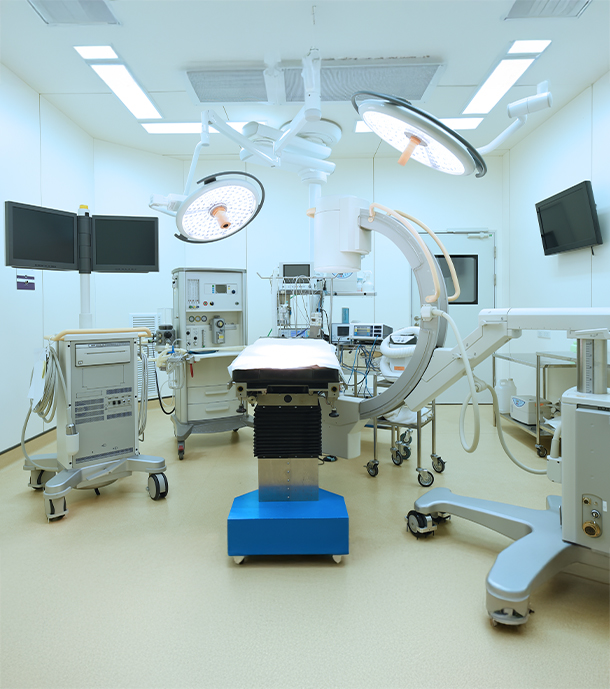
  • Robot-assisted surgical systems
  • Advanced imaging guidance
  • Minimally invasive instruments
  • High-definition visualization systems
  • Specialized transplant instruments
image
Organ Preservation Systems

We utilize the latest organ preservation technology to maximize organ viability:

Preservation Technology

  • OrganOx metra® for liver preservation
  • Machine perfusion systems
  • Advanced cold storage solutions
  • Continuous monitoring systems
  • Temperature-controlled transport units
image
Diagnostic Technologies

Our comprehensive diagnostic capabilities ensure precise evaluation and monitoring:

Advanced Imaging

  • 640-slice CT scanners
  • 3 Tesla MRI machines
  • PET-CT scanning
  • Advanced ultrasound systems
  • Nuclear medicine facilities
image
Post-operative Monitoring Systems

Cutting-edge monitoring ensures optimal recovery:

Monitoring Equipment

  • Advanced vital signs monitoring
  • Continuous organ function assessment
  • Remote patient monitoring systems
  • Early warning systems
  • Integrated patient data management
image

Research & Clinical Trails

Apollo Transplant Institutes maintains a robust research program dedicated to advancing the field of transplantation. Our research initiatives span from basic science to clinical applications, consistently pushing the boundaries of what's possible in transplant medicine.Current Research Projects
Our research portfolio includes groundbreaking studies in:
Current Research Projects
  • Novel immunosuppression protocols
  • Organ preservation techniques
  • Minimally invasive surgical approaches
  • Biomarker development
  • Rejection prediction models
Clinical Trial Opportunities

We offer patients access to cutting-edge treatments through carefully selected clinical trials:

Trial Categories

  • New immunosuppressive medications
  • Novel surgical techniques
  • Organ preservation methods
  • Post-transplant care protocols
  • Quality of life studies
Research Publications

Our team regularly contributes to the global knowledge base through:

Academic Output

  • Peer-reviewed journal publications
  • International conference presentations
  • Clinical practice guidelines
  • Case studies
  • Research collaborations
Innovation in Transplantation

We continue to pioneer new approaches in transplant care:

Innovation Areas

  • ABO-incompatible transplantation
  • Machine perfusion technology
  • Robotic-assisted surgery
  • Artificial intelligence applications
  • Personalized medicine approaches
Research Collaboration

Our institute maintains active partnerships with:

Research Partners

  • International transplant centers
  • Academic institutions
  • Research organizations
  • Pharmaceutical companies
  • Medical technology firms

Through these continuous advancements in team expertise, technology, and research, Apollo Transplant Institutes maintains its position as a global leader in transplantation, offering patients the most advanced and comprehensive care available anywhere in the world.  

The Transplant Patient Journey

At Apollo Transplant Institutes, we understand that the transplant journey is a significant life event that impacts not just the patient, but their entire family. Our comprehensive care pathway is designed to support you through every stage, from your first consultation to long-term recovery. With decades of experience in managing thousands of successful transplants, we've developed a systematic approach that ensures you receive the highest standard of care while feeling supported and informed throughout your journey.
Initial Consultation

Your transplant journey begins with a thorough evaluation by our expert team to determine the most appropriate course of action. This crucial first step helps us understand your specific needs and develop a personalized treatment plan. During this phase, you'll meet with various specialists who will work together to assess your condition and explain all aspects of the transplant process.

Medical Assessment
  • Comprehensive health evaluation
  • Review of medical history
  • Initial diagnostic testing
  • Specialist consultations
  • Risk assessment
Treatment Planning
  • Discussion of transplant options
  • Donor evaluation process
  • Timeline explanation
  • Cost estimation
  • Insurance coordination
Patient Education
  • Understanding the transplant process
  • Pre-transplant preparation
  • Lifestyle modifications
  • Medication information
  • Support services available
Treatment Phase

The treatment phase represents the core of your transplant journey, encompassing everything from pre-transplant preparation to the actual surgery. Our experienced team utilizes state-of-the-art facilities and advanced surgical techniques to ensure the best possible outcomes. Throughout this phase, you'll receive continuous support and monitoring from our dedicated transplant team.

Pre-Transplant Preparation
  • Final medical clearance
  • Donor matching and evaluation
  • Pre-operative testing
  • Medication adjustments
  • Emergency contact setup
Surgery Phase
  • Advanced surgical facilities
  • Expert surgical team
  • Real-time family updates
  • Intensive monitoring
  • Immediate post-operative care
Initial Recovery
  • Specialized transplant ICU care
  • Pain management
  • Infection prevention
  • Early mobilization
  • Vital signs monitoring
Recovery and Rehabilitation

Recovery after transplant surgery is a gradual process that requires dedication and support. Our comprehensive rehabilitation program is designed to help you regain strength and independence while ensuring the success of your transplant. We provide continuous monitoring and support to address any concerns promptly and help you achieve the best possible outcomes.

Early Recovery
  • Wound care management
  • Physical therapy initiation
  • Medication management
  • Nutrition support
  • Infection prevention protocols
Rehabilitation Program
  • Customized exercise plans
  • Occupational therapy
  • Breathing exercises
  • Strength building
  • Activity progression
Long-term Follow-up
  • Regular check-ups
  • Medication adjustments
  • Progress monitoring
  • Lifestyle counseling
  • Support group participation
Preparing for Your Visit

Proper preparation helps ensure a smooth and efficient transplant evaluation process. We've created a comprehensive checklist to help you prepare for your visits and make the most of your time with our team.

Required Documents
  • Medical records
  • Insurance information
  • Government ID
  • List of current medications
  • Previous test results
Medical Information
  • Complete health history
  • Family medical history
  • Current symptoms
  • Medication list
  • Allergies documentation
Support Planning
  • Caregiver identification
  • Transportation arrangements
  • Accommodation planning
  • Financial preparation
  • Emergency contacts
Personal Preparations
  • Questions list
  • Comfortable clothing
  • Personal items
  • Contact information
  • Schedule adjustments

Remember, our transplant coordinators are available at every step to answer questions and provide guidance. We encourage you to reach out whenever you need assistance or clarification about any aspect of your transplant journey.

Transplant Support Services

At Apollo Transplant Institutes, we understand that transplantation impacts every aspect of a patient's life. Our comprehensive support services create a seamless network of care that extends beyond medical treatment to encompass emotional, social, and practical needs. Drawing from our expertise as India's largest transplant program, we've developed a holistic support system that ensures both patients and families receive continuous care throughout their transplant journey.
Social Work Services

Our dedicated transplant social workers serve as your primary advocates, helping navigate the complex landscape of transplant care. They coordinate essential resources and ensure you have the support needed for a successful transplant journey.

Services Include:

  • Financial counseling and insurance navigation
  • Resource coordination and community connections
  • Documentation assistance and legal guidance
  • Family support system development
  • Long-term care planning
Psychological Support 

Our specialized transplant psychology team understands that emotional well-being is crucial for successful outcomes. Through individual counseling, group therapy, and family support sessions, we help build the emotional resilience needed for this life-changing journey.

Comprehensive Care Includes:

  • Pre-transplant psychological evaluation
  • Individual and family counseling
  • Stress management techniques
  • Coping strategy development
  • Support group facilitation
  • Post-transplant adjustment assistance
Nutritional Counseling

Our transplant nutritionists create personalized dietary plans that consider your medical condition, cultural preferences, and lifestyle factors. Through ongoing support and education, we ensure you have the nutritional tools needed for optimal recovery and long-term health.

Nutrition Services Feature:

  • Customized pre and post-transplant meal plans
  • Dietary education and cooking demonstrations
  • Supplement guidance and monitoring
  • Cultural dietary considerations
  • Long-term nutrition management
Rehabilitation Services 

Our specialized transplant rehabilitation team designs personalized programs that safely guide you through physical recovery. Starting even before surgery and continuing throughout your journey, we help you regain strength and return to daily activities with confidence.

Rehabilitation Program Includes:

  • Pre-transplant conditioning
  • Early post-operative mobilization
  • Customized exercise programs
  • Activity modification training
  • Progressive strength building
  • Home exercise instruction
Integrated Care Coordination

Our support services work together seamlessly through:

Professional Collaboration

  • Regular team meetings
  • Unified treatment planning
  • Cross-disciplinary communication
  • Progress monitoring
  • Care plan adjustments

Patient-Centered Features

  • Single point of contact
  • Coordinated appointments
  • Digital communication options
  • Family involvement
  • Cultural sensitivity

Through this comprehensive support network, we ensure every aspect of your transplant journey receives expert attention. Our integrated approach allows us to anticipate needs, address challenges proactively, and maintain the exceptional standards of care that define Apollo Transplant Institutes.

Community Outreach

At Apollo Transplant Institutes, our commitment extends beyond hospital walls to create lasting impact in communities across India. Building awareness about organ donation and transplantation is crucial for saving lives. Our comprehensive community outreach programs combine education, advocacy, and grassroots engagement to foster understanding and support for organ donation.
Organ Donation Awareness

Our awareness initiatives bring critical information to communities through:

Educational Programs

  • School and college awareness sessions
  • Community workshops
  • Corporate wellness programs
  • Public health campaigns
  • Digital awareness initiatives
Health Camps

We organize specialized health camps that provide:

Screening Services

  • Free health check-ups
  • Early disease detection
  • Transplant evaluation guidance
  • Preventive health education
  • Medical counseling
Community Education Programs

Our education initiatives include:

Educational Activities

  • Public lectures
  • Interactive workshops
  • Family awareness sessions
  • Healthcare provider training
  • Community leader engagement
School Awareness Programs

Engaging young minds through:

Youth Programs

  • Educational presentations
  • Interactive sessions
  • Student ambassador programs
  • Science fair projects
  • School health clubs

Second Opinion Services

At Apollo Transplant Institutes, we understand that seeking a second opinion is a crucial step in making informed decisions about transplant care. Our comprehensive second opinion program connects you with leading transplant specialists who provide expert insights to help you understand your options and make confident decisions about your care.
Expert Consultation Process

Our streamlined second opinion process is designed to be thorough yet efficient, typically completed within 5-7 working days:

Day 1-2: Initial Documentation
Required Records

  • Complete medical history
  • Recent test results and imaging
  • Current treatment plans
  • Previous surgical records
  • Medication list

Day 2-3: Case Review
Assessment Steps

  • Records evaluation by specialist team
  • Additional test recommendations if needed
  • Treatment options analysis
  • Collaborative team discussion
  • Preliminary report preparation

Day 4-5: Specialist Consultation
Virtual Meeting

  • 45-60 minute detailed consultation
  • Interactive discussion of findings
  • Treatment recommendations
  • Question-and-answer session
  • Family participation welcome

Day 5-7: Comprehensive Report
Final Documentation

  • Detailed medical opinion
  • Treatment recommendations
  • Alternative options
  • Risk assessment
  • Follow-up plan
Expert Panel Review

Our multi-disciplinary review panel brings together specialists across transplant disciplines to provide comprehensive case evaluations:

Review Team

  • Transplant surgeons
  • Specialist physicians
  • Immunologists
  • Critical care experts
  • Organ-specific specialists

Cost and Insurance Information
We believe second opinions should be accessible and affordable:

Fee Structure

  • Initial review: [Insert cost]
  • Specialist consultation: [Insert cost]
  • Additional tests if required: [Variable cost]
  • Written report: Included in consultation fee
  • Follow-up clarifications: Complimentary for 30 days

Insurance Coverage

  • Most insurance plans cover second opinions
  • Pre-authorization assistance available
  • Direct billing options with partner insurers
  • Cost estimate provided before consultation
  • Flexible payment plans if needed

Value-Added Services

Additional Support

  • International patient assistance
  • Medical record translation
  • Priority appointment scheduling
  • Travel coordination if needed
  • Insurance coordination

Post-Consultation Support

  • 30-day follow-up access
  • Treatment coordination assistance
  • Local doctor communication
  • Resource recommendations
  • Continuing care guidance
How to Get Started

Contact our Second Opinion Coordinator:

  • Phone
  • Email
  • Online Form
  • WhatsApp

Response Time:

  • Initial response within 24 hours
  • Consultation scheduling within 48 hours
  • Urgent cases expedited as needed

This comprehensive second opinion service ensures you have the information needed to make informed decisions about your transplant care. Our team is committed to providing clear, objective insights while working collaboratively with your current healthcare providers.

Transplant Emergency Services

Apollo Transplant Institutes provides 24/7 emergency care through our network of 27 specialized centers. Our rapid response system ensures immediate access to transplant expertise when you need it most.
Emergency Contact Information

24/7 Emergency Hotlines

  • National Emergency Number: [Insert]
  • Transplant Emergency Cell: [Insert]
  • International Patient Support: [Insert]
  • Ambulance Services: [Insert]

Quick Access Details

  • Your Transplant Center: [local center number]
  • Your Coordinator: [coordinator details]
  • Emergency Portal: [Insert link]
  • Mobile App Emergency Button: [Instructions]
Emergency Situations - What to Do

Immediate Medical Attention Required
Contact emergency services immediately if you experience:

  • Fever above 101°F (38.3°C)
  • Severe chest pain or shortness of breath
  • Excessive bleeding
  • Severe abdominal pain
  • Loss of consciousness
  • Seizures

Urgent Care Needed (Within 2 Hours)
Contact your transplant team for:

  • Fever between 100-101°F (37.8-38.3°C)
  • Significant change in blood pressure
  • Reduced urine output
  • New onset pain
  • Vomiting or severe diarrhea
  • Medication-related concerns

Early Attention Required (Within 24 Hours)
Report these symptoms during business hours:

  • Mild fever below 100°F (37.8°C)
  • Weight gain of more than 2 kg in 24 hours
  • Minor changes in appetite
  • Mild gastrointestinal symptoms
  • Non-emergency medication questions
Emergency Response System

Immediate Response Team

  • Transplant surgeons on call
  • Critical care specialists
  • Emergency room staff
  • Transplant coordinators
  • Ambulance services

Emergency Facilities

  • Dedicated transplant ICUs
  • Emergency operating rooms
  • Rapid diagnostic services
  • Blood bank access
  • Isolation facilities
Quick Reference Guide

Vital Signs to Monitor

  • Temperature
  • Blood pressure
  • Pulse rate
  • Breathing rate
  • Urine output

Emergency Kit Contents
Keep these items readily available:

  • Emergency contact card
  • Current medication list
  • Recent lab results
  • Insurance information
  • Basic medical history

When to Use Emergency Services

RED FLAGS (Call Immediately):

  • Severe pain
  • High fever
  • Breathing difficulty
  • Mental confusion
  • Excessive bleeding
  • Fainting episodes

YELLOW FLAGS (Urgent Care):

  • Mild fever
  • New medication side effects
  • Unusual swelling
  • Changes in vital signs
  • Digestive problems
Emergency Preparedness

Prevention Steps

  • Keep medications current
  • Attend all follow-up appointments
  • Monitor vital signs regularly
  • Maintain an emergency contact list
  • Know your nearest emergency centre

Family Instructions
Ensure family members know:

  • Emergency contact numbers
  • Location of medical documents
  • Basic vital sign monitoring
  • Medication schedule
  • Transportation plan
Post-Emergency Follow-up

After any emergency:

  • Schedule follow-up appointment
  • Update medication list if changed
  • Review emergency response
  • Adjust monitoring plan
  • Update emergency contacts
Emergency Support Services

Available 24/7:

  • Medical consultation
  • Pharmacy services
  • Laboratory testing
  • Transportation
  • Family assistance

Remember: When in doubt about a medical situation, it's always better to contact your transplant team for guidance. Our emergency services are designed to provide immediate, expert care whenever you need it.


Through our comprehensive emergency services, we ensure that every transplant patient receives immediate, expert care when needed most, maintaining our commitment to excellence in transplant care and optimal patient outcomes.

Legel & Ethical Information

Legal Guidelines
  • Transplantation of Human Organs Act
  • State-specific regulations
  • Living donor laws
  • Deceased donor protocols
  • International guidelines
Ethical Guidelines

Our commitment to ethical practices:

Ethical Standards

  • Patient rights
  • Donor protection
  • Confidentiality measures
  • Fair allocation policies
  • Transparency protocols
Consent Process

Comprehensive informed consent includes:

Consent Requirements

  • Detailed procedure information
  • Risk disclosure
  • Rights and responsibilities
  • Alternative options
  • Documentation requirements

Documentation Requirements
Essential paperwork includes:

Required Documents

  • Legal identification
  • Medical records
  • Consent forms
  • Insurance documentation
  • Government approvals

Through these comprehensive programs and clear information frameworks, we ensure that our patients, donors, and their families are well-informed and supported throughout their transplant journey. Our commitment to transparency, ethical practices, and community education helps build trust and understanding in the communities we serve.

layer_line_0

Get proactive - 
Be ProHealth !

Build your ProHealth plan now
The ProHealth Program provides a personalized health plan with risk analysis, tailored packages, advanced diagnostics, and expert guidance to improve your well-being.
prohealth-center-img
Apollo ProHealth
Apollo ProHealth Super Sunday Chennai Main - Apoll...
₹ 5000 /-
Full Body
Your ProHealth digital report is simple, clear, and easy to understand. It brings together test results, AI-powered risk scores, doctor’s interpretati
With ProHealth, care doesn’t stop after your health check. Even after your health check, your dedicated health mentor will guide you on diet, exercise View More
Age Range
18+
Gender
male female
Location
Apollo Hospitals Greams Road Chennai
Apollo ProHealth
Apollo ProHealth Personalised Health Program Above...
₹ 9700 /-
Full Body
Your ProHealth digital report is simple, clear, and easy tounderstand. It brings together test results, AI-powered risk scores, doctor’sinterpretation
WithProHealth, care doesn’t stop after your health check. Even after your healthcheck, your dedicated health mentor will guide you on diet, exercise, View More
Age Range
31+
Gender
male female
Location
Apollo Hospitals Greams Road Chennai
Apollo ProHealth
Apollo ProHealth Summer Package - Apollo Hospitals...
₹ 6100 /-
Summer
Your ProHealth digital report is simple, clear, and easy to understand. It brings together test results, AI-powered risk scores, doctor’s interpretati
With ProHealth, care doesn’t stop after your health check. Even after your health check, your dedicated health mentor will guide you on diet, exercise View More
Age Range
18+
Gender
male female
Location
Apollo Hospitals Greams Road Chennai
Apollo ProHealth
Apollo ProHealth Heart Program - Apollo Hospitals ...
₹ 13800 /-
Cardiac / Heart
Your ProHealth digital report is simple, clear, and easy to understand. It brings together test results, AI-powered risk scores, doctor’s interpretati
With ProHealth, care doesn’t stop after your health check. Even after your health check, your dedicated health mentor will guide you on diet, exercise View More
Age Range
18+
Gender
male female
Location
Apollo Hospitals Greams Road Chennai

International Patient Services

Before you begin your journey to India, our international patient team works diligently to prepare every
aspect of your visit. We understand that planning medical travel can be overwhelming, which is why we
provide comprehensive assistance to make your preparation as smooth as possible.
Medical Documentation Support
  • Initial medical review and opinion
  • Treatment plan development
  • Cost estimation and financial planning
  • Medical visa assistance
  • Required documentation preparation
Travel Planning
  • Flight coordination
  • Airport pick-up arrangements
  • Accommodation booking
  • Dietary requirement planning
  • Weather and clothing guidance
Administrative Assistance
  • Visa documentation
  • Hospital registration pre-processing
  • Insurance coordination
  • Currency exchange information
  • Required permits and permissions
During Stay Services

Throughout your time at Apollo, our international patient services team ensures you receive
comprehensive support that extends beyond medical care. We focus on creating a comfortable and
reassuring environment for both patients and their families.

Medical Support
  • Dedicated transplant coordinator
  • Language interpretation services
  • Daily progress updates
  • Family consultations
  • Emergency assistance
Accommodation Services
  • Hospital guest house facilities
  • Hotel arrangements
  • Family accommodation support
  • Dietary customization
  • Room amenities coordination
Personal Assistance
  • Local transportation
  • Language support
  • Cultural and religious considerations
  • Local sight-seeing arrangements
  • Shopping assistance
Post-Treatment Care

Our commitment to your health continues long after your procedure. We ensure you have all the
necessary support and resources for a successful recovery when returning home.

Medical Follow-up
  • Detailed discharge planning
  • Medication arrangements
  • Follow-up schedule creation
  • Digital health records access
  • Telemedicine consultation setup
Travel Coordination
  • Return journey planning
  • Medical travel clearance
  • Medication transport assistance
  • Emergency contact provisions
  • Airport transfer arrangements
Home Country Support
  • Local doctor coordination
  • Medical records transfer
  • Remote monitoring setup
  • Emergency response protocol
  • Regular virtual check-ups
Continued Care
  • Regular telemedicine follow-ups
  • Medication management guidance
  • Lifestyle modification support
  • Remote monitoring services
  • 24/7 emergency helpline access

Our international patient services team is available 24/7 to assist you throughout your transplant journey. For more information or to begin planning your treatment

Locations

Our Transplant Care Network
At Apollo Transplant Institutes, we operate India's largest integrated transplant program, with 27 specialized centers spanning 15 states. Our network ensures that world-class transplant care is accessible to patients across the nation, maintaining consistent excellence in every location.Network of Centers
Major Centers of Excellence

Apollo Hospitals, Chennai (Greams Road)
Specialized Programs:

  • Kidney Transplant
  • Liver Transplant
  • Heart Transplant
  • Lung Transplant
  • Heart and Lung Transplant
  • Intestine Transplant
  • Pancreas Transplant

Apollo Health City, Hyderabad
Comprehensive Services:

  • Kidney Transplant
  • Liver Transplant
  • Heart Transplant
  • Lung Transplant
  • Heart and Lung Transplant
  • Intestine Transplant
  • Pancreas Transplant
  • Cornea Transplant

Indraprastha Apollo Hospitals, Delhi
Advanced Programs:

  • Kidney Transplant
  • Liver Transplant
  • Heart Transplant
  • Pancreas Transplant

Apollo Hospitals, Navi Mumbai
Specialized Services:

  • Kidney Transplant
  • Liver Transplant
  • Heart Transplant
  • Lung Transplant
  • Heart and Lung Transplant
Regional Centers

Apollo Hospitals, Bangalore
Available Programs:

  • Kidney Transplant
  • Liver Transplant
  • Heart Transplant
  • Pancreas Transplant

Apollo Hospitals, Ahmedabad
Transplant Services:

  • Kidney Transplant
  • Liver Transplant

Apollo Multispeciality Hospitals, Kolkata
Specialized Programs:

  • Kidney Transplant
  • Liver Transplant
  • Heart Transplant

Additional Centers

  • Apollo Hospitals, Bhubaneswar (Kidney Transplant)
  • Apollo Hospitals, Lucknow (Kidney and Liver Transplant)
  • Apollo Hospitals, Madurai (Kidney and Liver Transplant)
  • Apollo Hospitals, Mysore (Kidney and Liver Transplant)
  • Apollo Hospitals, Nashik (Kidney and Liver Transplant)
  • Apollo Hospitals, Visakhapatnam (Heart, Kidney, and Liver Transplant)
Specialized Facilities

Each Apollo Transplant center is equipped with state-of-the-art facilities designed specifically for transplant care:

Dedicated Transplant Operation Theaters
Advanced Features:

  • HEPA filtration systems
  • Laminar air flow
  • Advanced surgical equipment
  • Real-time monitoring systems
  • Strict infection control protocols

Specialized Transplant ICUs
Critical Care Facilities:

  • Dedicated transplant post-operative care
  • Advanced monitoring equipment
  • Isolation facilities
  • Infection prevention systems
  • Specialized nursing staff

High-end Laboratories
Testing Capabilities:

  • NABL accredited facilities
  • Advanced tissue typing
  • Molecular diagnostics
  • Immunological testing
  • Rapid result processing

Blood Bank Services
Comprehensive Services:

  • 24/7 blood component availability
  • Advanced blood component separators
  • Specialized storage facilities
  • Emergency blood procurement
  • Cross-matching services

Diagnostic and Imaging
Advanced Equipment:

  • 640-slice CT scanners
  • 3Tesla MRI machines
  • Nuclear medicine facilities
  • Advanced ultrasound
  • Specialized X-ray units

Support Facilities
Patient Services:

  • Dedicated transplant wards
  • Family waiting areas
  • Counseling rooms
  • Rehabilitation centers
  • Patient education facilities

Every recovery Tells a story.

Experience the inspiring journeys of patients who found hope, healing, and care at Apollo Hospitals.
When I was 50 in 2010, my surgeon Dr. Paul Ramesh told me that if I if I chose medicinal aid it will be palliative but choosing bypass surgery will be more curative. The one memorable line which made me decide on surgery was ... Read more
R. Natarajan., Chennai
icon
Many Thanks to Dr Manish Samson for guiding and explaining the entire process of BTKR when we came first for consultation. Dr Manish was recommended to us by our family internally. His friendly approach and honest suggestions ... Read more
Mr. Chintamani Khanvilkar,
icon
"I was shocked to know that I weighed 348 kgs when I measured myself on arrival at Apollo Hospitals and was suffering from severe sleep apnoea, arthritis and compulsive eating habits. I was rejected as a candidate fit for sur ... Read more
Mr. Sanjey Dey, Guwahati
icon
"Being a chef, I had become a compulsive and voracious eater for the last decade and gained around 60 kgs since. I developed Diabetes very early in life and for the last 2 years am on drugs for my high BP. Bariatric surgery c ... Read more
Mr. Satheesh Krishnan, Hyderabad
icon

Milestones & Achievements

At Apollo Transplant Institutes, our journey of excellence spans over four decades, marked by pioneering achievements and groundbreaking procedures that have revolutionized transplant care in India and Asia. As the world's largest and most comprehensive solid organ transplant program, we've consistently pushed the boundaries of what's possible in transplantation, setting new benchmarks in patient care and surgical excellence.
Historical Timeline
Our journey is marked by several groundbreaking moments:
2020-2025
  • First Program to Cross 27,000 Solid Organ Transplants
  • First Program to Cross 21,000 Kidney Transplants
  • First Program to Cross 5,000 Liver Transplants
1995-2000
  • First successful heart transplantation (1995)
  • India's first successful pediatric liver transplant (1998)
  • First successful adult cadaveric transplant (1998)
  • First successful liver transplant for acute liver failure (1999)
  • First combined liver-kidney transplant (1999)
2000-2010
  • Establishment of multi-organ transplant program
  • First successful liver transplant for HIV patients (2008)
  • Youngest pediatric liver transplant in India (2008)
  • First successful liver transplant without immunoglobulin for Hepatitis B (2008)
  • First successful living liver transplant for portal biliopathy (2009)
 2010-2020
  • First international air rescue for acute liver failure (2010)
  • Asia's first en-bloc combined heart & liver transplant
  • First simultaneous Liver-Intestine-Pancreas transplant in India
  • First simultaneous Kidney-Pancreas transplant in South India
  • First double lung transplantation during COVID-19
First-in-India Procedures

Our commitment to innovation has led to numerous medical firsts:

Breakthrough Procedures

  • First successful pediatric liver transplant
  • First donor incompatible kidney transplant
  • First robotic kidney transplant
  • First combined heart-lung transplant in elderly patient
  • Youngest liver recipient in Western India
International Recognition

Our global impact includes:

Global Achievements

  • World's busiest living donor transplant program
  • Recognition from international transplant societies
  • Global collaborations with leading institutions
  • International research partnerships
  • Cross-border medical protocols development

Video Library

Explore expert-written articles on diseases, symptoms, tests, treatments, and recovery guidelines across all major medical specialties.
  • Common Heart Problems
image
image
image
image
image
image
image
image
image
image
image
image

Health Blogs

Stay informed with expert-written health blogs covering prevention, treatments, lifestyle tips, and medical advancements.
10 things you din’t know about Bone Marrow transplant procedure
February 18, 2025
10 things you din’t know about Bone Marrow transplant procedure
What is Bone Marrow Transplant? Having a transplant can be very demanding, physically and emotionally. It may help if patients can talk about their fears and concerns. It is important to understand why one is having the transplant and what the actual processes will be, so that the patient can make practical arrangements and also prepare himself or herself mentally. It is a good idea to discuss the entire process with the doctors and nurses involved, before the patient goes into hospital. 10 Things You Didn’t Know about Bone Marrow Transplant 1. Bone marrow transplant is not a surgery, it is a complicated medical treatment. 2. Bone marrow donor donates cells as day care for few hours. No sedation No operation No procedure to donor Donor donates stem cells quite similar to platelet donation. 3. Bone marrow transplant is a cure for many blood disorders. 4. Bone marrow donor is chosen on the basis of blood test called HLA typing which should be fully matched that is 10 out of 10. First priority is matched sibling, next comes matched unrelated donor, if no match available third option would be half match from parents, children or siblings. 5. Generally patients have lots of tests to assess suitability for transplant. 6. Patients have in-patient stay for three weeks in special transplant ward with all safety precautions. 7. Patients need to have regular doctor visits for three months after the transplant to look for any infections. 8. Patients generally can resume their work after 6-12months post-transplant. 9. There are lot of things specialist takes into consideration before transplant, blood group match is not mandatory. 10. Half match transplant allows every patient to have a donor. Doctor Profile: Doctor Name – Dr Padmaja Lokireddy Qualification -MBBS, MD (Internal Medicine), MRCP, FRCPath (Haematology) CCT Experience – 8+ years Book an Appointment Now – https://www.askapollo.com/physical-appointment/doctor/hyderabad/haemato-oncologist/dr-padmaja-lokireddy/?utm_source=blog&utm_campaign=bonemarrowtransplant&utm_medium=desktop Book Online Consultation – https://www.askapollo.com/Online-Consultation/DoctorSearch/Haematooncology/Hyderabad/Padmaja-Lokireddy/?utm_source=blog&utm_campaign=bonemarrowtransplant&utm_medium=desktop Related Keywords: Cancer treatment in Hyderabad, Oncologist in Hyderabad, cancer care in India, top doctors in India for cancer treatment, Cancer specialists in India, Bone marrow transplant specialist
a-second-chance-for-failing-hearts-transplants-and-life-saving-heart-support
October 17, 2025
A Second Chance for Failing Hearts: Transplants and Life-Saving Heart Support
The heart is a symbol of resilience and vitality. But when it begins to fail, the effects ripple across every aspect of life. End-stage heart failure is not a sudden event — it usually develops over time as conditions like coronary artery disease, diabetes, or hypertension gradually weaken the heart muscle. In India, where these conditions are on the rise, advanced heart failure has become an increasingly common and serious challenge.Early stages of heart failure can often be managed with medicines, procedures, and lifestyle changes. But when the heart grows too weak to meet the body’s demands, it needs more than medical therapy alone. At this point, advanced interventions like heart transplantation, mechanical circulatory devices or life-support systems step in to give patients a second chance.Heart Transplant: Replacing the Failing HeartFor patients with end-stage heart failure — despite guideline-directed medical therapy and appropriate device therapy — a transplant is often the most definitive treatment. The surgery involves replacing the diseased heart with a healthy donor heart to restore circulation and quality of life. Transplantation is not a single event; it’s a carefully orchestrated journey that begins with evaluation and continues with lifelong follow-up and immunosuppression.Types of Heart TransplantThere are different approaches to heart transplantation, depending on the patient’s needs and donor availability:Orthotopic Heart Transplant: This is the most common type, where the patient’s failing heart is removed and replaced with the donor heart in the same position.Heterotopic (or “Piggyback”) Transplant: In selected cases — such as markedly elevated lung pressures or when the donor heart is marginal — the donor heart is connected alongside the native heart so both can work together.Combined Transplants: When severe heart failure coexists with advanced disease of other organs (most commonly lungs or kidneys), combined procedures such as heart-lung or heart-kidney transplants may be required. These are highly specialised surgeries performed at centers with advanced infrastructure and multidisciplinary expertise, such as Apollo Hospitals.Behind every successful transplant is a coordinated program: careful patient selection, expert donor retrieval, precise surgical technique, advanced critical care, and vigilant long-term monitoring.Mechanical Circulatory Support: Helping the Heart When It Can’t CopeNot every patient can undergo an immediate transplant. Some may wait for a suitable donor; others may not be candidates due to age or co-existing conditions. Mechanical circulatory support (MCS) devices can stabilise patients, improve symptoms, and extend survival.Common devices:Ventricular Assist Devices (VADs): Implanted pumps that support the left ventricle (LVAD), right ventricle (RVAD), or both (BiVAD). Modern VADs typically provide continuous blood flow and can be used as a bridge to transplant or as destination therapy when transplant isn’t an option.Intra-Aortic Balloon Pump (IABP): A catheter-based device placed in the aorta that inflates during diastole and deflates just before systole to improve coronary perfusion and reduce afterload. It is used for short-term support, for example in cardiogenic shock after a heart attack or around high-risk cardiac procedures.Total Artificial Heart (TAH): In rare cases where both ventricles are irreversibly damaged, the native heart is removed and replaced with a mechanical pump that performs the full function of the heart—usually as a bridge to transplant.Choosing the right device depends on the severity and type of heart failure, right- vs left-sided support needs, co-morbidities, and transplant candidacy. Management requires specialised surgical and ICU care, rehabilitation, and ongoing monitoring to prevent complications such as bleeding, infection, thrombosis/embolism, stroke, device malfunction, and — for durable LVADs — anticoagulation management.At Apollo Hospitals, Chennai, MCS is delivered within a structured heart-failure program. Patients are assessed by a multidisciplinary team, guided through device selection, and supported by advanced surgical infrastructure, specialised ICUs, and long-term follow-up. This coordinated approach ensures devices truly achieve their goals—bridging patients safely to transplant or offering a durable path to better quality of life.Life-Support in Critical Moments: ECMOWhen the heart—or the lungs—fail suddenly, life-support technologies can be lifesaving. Extracorporeal Membrane Oxygenation (ECMO) temporarily takes over the function of the heart and/or lungs outside the body, allowing them to rest and recover.Veno-arterial (VA) ECMO: Supports heart and lungs in severe cardiogenic shock or cardiac arrest.Veno-venous (VV) ECMO: Supports lungs only in severe respiratory failure.ECMO can be a bridge to recovery, decision, surgery, or transplantation. It is one of the most advanced forms of life support and requires round-the-clock expertise. Apollo Hospitals, Chennai runs a dedicated ECMO program with the capability to support both adults and children with severe cardiac or respiratory failure.The Apollo Chennai Edge What sets Apollo Hospitals, Chennai, apart is its integrated approach to advanced heart-failure care. Transplants, mechanical support devices, and life-support therapies are offered as part of a continuum of care delivered by internationally trained cardiac surgeons, heart-failure specialists, intensivists, perfusionists, transplant coordinators, and rehabilitation teams.State-of-the-art operating theatres, dedicated transplant ICUs, and advanced imaging and diagnostics ensure precision and safety at every step. Patients also benefit from long-term follow-up, personalised medication plans, psychological support, and lifestyle counselling — helping them not just survive, but thrive.At Apollo Hospitals, Chennai, these breakthroughs are lifelines—delivered with compassion, skill, and a commitment to excellence in cardiac care. When the heart needs a helping hand, Apollo is there to provide it. 📞 For appointments, call Apollo Hospitals Chennai at 044 4040 1066
Case study-Triple Kidney transplant
February 18, 2025
Case study-Triple Kidney transplant
Delhi woman undergoes third kidney transplant at Indraprastha Apollo Hospital ABO incompatibility, her husband donated his kidney to save her life. For previous two transplants, her elder sisters donated a kidney each New Delhi, 13th March, 2019: ‘No matter how hard life is, don’t lose hope’ – The saying stands true for 45 year old Etika Kalra, a resident of Delhi, who underwent a third kidney transplant at Indraprastha Apollo Hospitals. This time, her husband donated his kidney to save her life. Even though they were ABO incompatible, which means that their blood group did not match, due to the skilled expertise of Padma Shri awardee Dr. (Prof) Sandeep Guleria, Senior Consultant, General Surgery, GI Surgery and transplantation, Indraprastha Apollo Hospitals and his team, the highly complicated transplant was performed successfully. Dr. Guleria performed the earlier kidney transplants as well.  In 1996, when she was 23 years old and recently married, Ms. Kalra found out, during a routine check-up, her kidneys were shrinking. She was diagnosed with Glomerulonephritis, a type of disease in which the part of kidney which filters blood (called glomeruli) becomes damaged. Since that time, Ms. Kalra has been constantly fighting a battle with this disease. Initially, she explored various Ayurvedic treatments to treat her condition, but there was no relief and the creatinine levels in her blood continued to rise. In December 2000, she had to start regular dialysis as her kidneys were no longer functioning properly. Ms. Kalra underwent her first kidney transplant in 2001 where her elder sister Anshoo Walia donated her kidney. For more than a decade the donated kidney served Ms. Kalra well, but the life of a donated organ is limited. By 2014, she again started facing kidney problems. “By the time we found out that her first kidney was failing, it was too late to start her on dialysis. Her health was deteriorating fast and so we opted for a pre-emptive transplant. This time, her other sister, Ritu Pahwa, donated a kidney,” Dr. Guleria said, explaining the procedure and the unexpected complications which arose after. “A few days after her second transplant, while Ms. Kalra was still in ICU, she started complaining of severe stomach pain. It was found that she had gangrene of intestine for which we had to do an immediate major abdominal surgery to save her life. This was while she was still recovering from her second kidney transplant and it made her quite weak.” Unfortunately, the second kidney was functional only for about 4 years after which it started failing. “It was a case of acute antibody rejection of the transplanted organ, in which Ms. Kalra’s own immune system started attacking the kidney. There was only two viable options for her at that time – either live on dialysis for the rest of her life or undergo another kidney transplant. Ms. Kalra chose the latter and this time her husband, Tarun came forward to donate his kidney. We counselled the family about the various risks involved with this surgery, after which they gave us consent to go ahead. Their blood groups did not match so to overcome the ABO incompatibility, we did numerous plasma exchanges. The first two transplants took about three hours but the third transplant took five and a half hours since the third operation was technically more difficult. However, we successfully overcame that barrier and transplanted the third kidney.” In regards to Ms. Kalra’s incredible story, Dr. Guleria said, “Etika’s body is responding well to the new kidney and we hope that this time it will last for the rest of her life. Surviving three kidney transplants takes an incredible amount of strength, endurance and faith. She did not lose hope and her strong will to live pushed her to not give up at any point. Her family support was unwavering throughout.”  Ms. Kalra is now doing well and wants that her story motivate others to not give up in the face of adversity, “When the option of kidney transplant for the third time was presented to us, it came as a surprise. For a layman, two kidney transplants is rare. But Dr. Guleria explained that kidney transplant is possible even for the third time and one can lead a normal life after that. He apprised us of all the possible complications. But since he had already performed the kidney transplants twice on me before, I had full faith in him and knew that my life was in the hands of an experienced and trusted doctor. After all these years, Dr. Guleria is like family for us now, and his guidance and support has been invaluable. My children are the source of my inspiration who keep me going,” said Ms. Kalra. “Even after the third transplant, the precautions I have to take are the same as before. The food I eat has to be hygienic and freshly prepared. Eating outside should be avoided, and it is essential to have medicine on time,” Ms. Kalra said.  About Indraprastha Apollo Hospitals: Indraprastha Apollo Hospitals, India’s first JCI accredited hospital, is a joint venture between the Government of Delhi and Apollo Hospitals Enterprise Limited. Commissioned in July 1996, it is the third super-specialty tertiary care hospital set up by the Apollo Hospitals Group. Spread over 15 acres, it houses 57 specialties with more than 300 specialists and more than 700 operational beds, 19 operation theatres, 138 ICU beds, round-the-clock pharmacy, NABL accredited laboratories, 24-hour emergency services and an active air ambulance service. Apollo Hospitals Delhi has the leading programme in kidney and liver transplant in the country. The first successful paediatrics and adult liver transplants in India were performed at Indraprastha Apollo Hospitals. The hospital is at the forefront of medical technology and expertise. It provides a complete range of latest diagnostic, medical and surgical facilities for the care of its patients. The Hospital has introduced the most sophisticated imaging technology to India with the introduction of 64 slice CT and 3 Tesla MRI, Novalis Tx and the integrated PET Suite. Indraprastha Apollo has also pioneered the concept of preventive health check programmes and has created a satisfied customer base over decades. The Hospital has been consistently ranked amongst the best 10 hospitals in India by The Week survey for the past few years. Hospital website –  delhi.apollohospitals.com  Twitter: @HospitalsApollo  
DIET AFTER HEART TRANSPLANT
February 18, 2025
DIET AFTER HEART TRANSPLANT
Transplantation requires a change of lifestyle. Maintaining good nutritional health while undergoing and continuing this change of lifestyle is important. Many of the medications and procedures experienced by transplant patients can alter sense of taste or inhibit the desire to eat. After surgery, your appetite may be slow in returning. It should improve with time. Remember however, that during your recovery, your body needs enough calories and protein to heal. Thus, eating is important. Some helpful tips to remember as you begin eating again: You may feel more comfortable eating smaller frequent meals. You may wish to add extra foods on your menu , which may include snacks such as milkshakes and juices. If you feel you just cannot eat enough, discuss this with the dietician. She may recommend a nutritional supplement, but try “real” food first. Diet and Immunosuppressive Medications Diet is a very important part of your life after transplantation. The drugs used to prevent rejection have several side effects that make a good diet necessary. The immunosuppressive drugs: Cause the body to lose potassium Cause the body to hold water and salt. Can hunger and cause weight gain due to overeating. May increase the amount of cholesterol, fats and sugar in the blood. May speed up the thickening and narrowing process of the blood vessels of the heart. Diet is important even if you did not have weight problems or thickening of the blood vessels of your heart before the transplant surgery. Caloric Restrictions Your total calories can be changed to decrease, increase or maintain your weight as necessary. Being overweight increases your heart’s work. Your drug therapy may make you hungry, you may eat more and gain weight. Therefore, it is extremely important for you to pay attention to the total amount of food you consume. Apart from adding to the work of your heart, being overweight is linked to high levels of Triglycerides (fats) in the blood stream. Having a lot of fats in your blood raises the possibility of thickening of the blood vessels of your heart. Cholesterol and Saturated Fat Restriction Cholesterol is an essential fatty substance found in our body including many animal foods. Fats are concentrated sources of energy that come in three forms; monounsaturated, polyunsaturated and saturated. Cholesterol and the saturated fats in our blood may gather along the walls of the blood vessels causing them to narrow. If this narrowing becomes severe in the blood vessels of your heart, the blood supply to your heart will be compromised. Apart from your diet, your medications may also raise the level of fats in your blood. Therefore, in order to prevent coronary artery disease, the overall fat intake after your surgery must be restricted to not more than 30 percent of your total calories every day. Increasing the proportion of polyunsaturated and monounsaturated fat in your diet and reducing your total saturated fat intake to less than 10% of your total fat intake will actually help in lowering cholesterol and saturated fat levels in your blood. Foods high in cholesterol & saturated fats Animal products: Liver and organ meats, egg yolks, whole milk, butter, cream, and whole milk cheeses. Vegetables high in saturated fats: Coconut, cocoa and palm. Other: Fried foods. Note: Instead of frying the foods, try to boil, bake or steam while preparing foods. Foods high in mono-saturated and polyunsaturated fats Meats as well as other protein foods: Low fat dairy products, lean meats and fatty fish (salmon, trout, tuna, bluefish) Vegetable fats: Olive oil, soybean oil, corn oil, sesame oil, groundnut oil sunflower oil and rice bran oil. Concentrated Carbohydrate Restrictions You may be asked to cut down on the amount of sugar and concentrated sweets in your diet as well. Carbohydrates add to calories and large amounts of the same can contribute to an increase in Triglycerides on the blood. Dietary Changes Changes in your diet may be necessary because of your transplant surgery and because of the medications you are on to prevent rejection. Keep in mind that your diet will be changed in the following ways: Fluid and sodium restriction Caloric restriction Concentrated carbohydrate restrictions Protein intake Cholesterol and saturated fat restriction Caffeine restriction High soluble fiber intake Alcohol restriction Fluid and Sodium Restriction Salt is made up of two minerals; Chloride (C) and Sodium (Na+). It is the sodium part of the salt that is a matter of concern in your diet. Sodium should be restricted in your diet as it causes the body to hold fluids. You must control your sodium as well as the fluid intake as well since Prednisone causes the body to hold both of these. As a result of holding fluid and sodium, extra fluid builds up in the veins and arteries. To avoid this sodium and fluid buildup, you have to cut down on both. To reduce fluids, stick to solid foods instead of liquids. For instance, eat fruit instead of drinking juice. You doctor may also prescribe you a sodium-restricted diet to cut down on salt. Your doctor may also prescribe a pill to help get the sodium and fluid out of your system. FOODS HIGH IN SODIUM (NA+) CONTENT Meat and Other protein foods: Canned meats, Ham, smoked salmon, canned fish, cheese, and regular peanut butter Vegetables: Vegetables prepared in olives, brine, pickles, vegetables packed with seasonings or sauces, tomato sauce or paste, frozen peas, and lima beans. Breads & cereals: Bread and rolls with salt toppings, corn chips, potato chips, salted popcorn, and other salted snack foods. Fats: Bacon fat, olives, salted nuts, spreads, dips and sauces Soups: Canned broth soups, commercially prepared stews, and instant or dried soups. Be mindful of monosodium glutamate (MSG) used in Chinese foods. When you have Chinese food, you should request that it be prepared without MSG. OTHER DIETARY RESTRICTIONS Caffeine restriction: Use of caffeine containing products like coffee, tea, chocolate, and dark sodas may be limited. High soluble fiber intake: Foods high in soluble fiber help to lower the level of cholesterol in your blood. Thus, encourage yourself to eat more amount of fiber. Foods high in soluble fiber include: fenugreek, oats, beans and barley. Alcohol restriction: You should not drink any alcohol after transplant. Alcohol can increase the level of Triglycerides (fats) in your blood, and alcohol can reduce liver function. Increase of Triglycerides puts you at risk for coronary artery disease. PROTEIN INTAKE The day after surgery, you may be given a diet rich in high biological value protein sources. This will help to heal your surgical wounds and improve your overall nutrition. However, the amount of protein you are given may be altered depending on how well your kidneys are working right after transplant surgery. Once you have recovered from surgery, a high protein diet will no longer be needed.
Diet and nutrition to follow after kidney transplant
February 18, 2025
Diet and nutrition to follow after kidney transplant
Diet and nutrition plays an important role in recovering from kidney transplantation. A proper diet is required for complete healing of wounds. While kidney failure might have caused a few diet restrictions before transplant, most of these restriction will not be required after you underwent kidney transplantation surgery, hence diet plan for kidney transplant is much easier to follow when compared to haemodialysis diet. Importance of proper diet after kidney transplantation Proper diet and nutrition is important for healing of wound. It also reduces the risk of rejection and any infections. Dietician will recommend a proper diet plan suitable for your lifestyle and health of your kidney. In some cases, you may be able to eat foods that were restricted before the kidney transplant. A well-balanced diet will have the following benefits: Prevents excess weight gain Keeps blood sugar level within normal limit Controls blood cholesterol Helps in keeping blood pressure normal Enough calcium to keep your bones strong Prevention of Anemia Diet and nutrition guidelines after kidney transplant Your dietician will develop a suitable nutritional program based on your personal needs and health condition. Your medical reports, weight, kidney function and prescribed medicines will be considered for developing the diet plan. Diet plan can be short-term or long-term depending upon how your health condition improves. Listed below are the guidelines: Stay hydrated: Drink plenty of water, 2 liters approximately per day. It is important that you are well-hydrated. Limit your caffeine intake. Protein: To re-gain the lost weight and muscle strength, your dietician will recommend how much protein intake is necessary. Phosphorous: With the new kidney, your body would start rebuilding bone mass, which was lost during renal failure. In case of dip in blood phosphorous level, your dietician may recommend food high in phosphorous such as low-fat dairy products. Potassium: Often transplant medicines can affect the level potassium (increase or decrease) which can cause problems with muscle and heart function. You will be recommended food to control your blood potassium level. Sodium or Salt: You might experience high blood pressure or fluid retention after kidney transplant surgery, in such case low-salt food will be recommend. Unlike potassium and phosphorous level which can be controlled in few months, low-sodium diet might be for a longer duration. Fat: For a healthy weight and healthy heart, your dietician will recommend a low-fat diet. Food to be avoided after kidney transplant Based on your kidney health, medication and reports, dietician will brief you about high-risk food that can interact with medications and cause side effects. Pomegranate and grapefruit: Pomegranate and Grapefruit or juice can cause strong reaction with immunosuppressant medication, hence should be avoided. Avoid herbs: You should not be taking any herbs or herbal teas as they can interact with post-transplant medication and cause reactions. No raw or undercooked food: Undercooked or raw food can put you at a risk for severe intestinal illness due to weakened immune system, so eating undercooked meat, seafood or poultry items is not recommended. Unpasteurised dairy product like cheeses, yoghurts made from raw milk Sprouts like alfa alfa, bean sprouts Long-term nutritional management Long-term nutritional management includes heart healthy diet and exercise. Often the side effects of medication can be felt after few months or years which is generally excess weight gain or high cholesterol level, which can further lead to heart disease. Your doctor will monitor progress of your health and you might be asked to keep a check on blood pressure level and weight. Apart from staying hydrated, heart healthy diet includes low-fat milk, lean meat and fish, fiber, plenty of vegetables and low salt. Regular exercise and cooking food in low-fat is highly recommended. Food safety after kidney transplantation Food safety is a must and very important. If food is not handled properly it can lead to serious illness. Guidelines to food safety are as follows: Wash hands properly before handling food, after touching raw meat or chicken or fish, after handling pets etc. Store raw and cooked food separately. Cook food thoroughly Check labels of food for ingredients, expiry dates etc. Avoid smoked meat, sushi, fish, unpasteurised dairy products. Be careful when eating out Conclusion After kidney transplant you shall be enjoying normal meals after a long time. Some might feel increase in appetite which could result in over eating and excess weight gain. New kidney may not require dialysis but chances of damage still exist. Hence a balanced diet can reduce the chances of complication and control the conditions which caused kidney failure. Your doctor and dietician will from time to time make changes in your diet plan, depending upon your health condition. The aim of diet and nutrition plan after kidney transplant is to promote overall sustainable wellness and health.
Hand Transplant
February 18, 2025
Hand Transplant
Hand transplant is a surgical procedure for persons with amputated hands. Hand transplant is a complex procedure performed only at a few medical centres worldwide. Your doctor will transplant hands and a portion of the forearms, as the case may be, collected from a dead person.  A hand transplant will help you regain the sensation and function of your hand. However, it is not guaranteed.  Hand transplant can improve the quality of your life. But you should be committed to lifelong treatment. Your doctor will suggest frequent medical checkups, particular medications, and physical therapies help you heal properly.  Hand Transplant: Procedure Not every disabled individual will be suitable for transplants. Your doctor may recommend transplantation if he/she feels you are qualified for the transplant procedure. The following factors are considered before determining your eligibility for hand transplantation: Your blood group.Your tissue typeYour and your donor’s ageYour and your donor’s genderYour hand size and the intensity of amputationYour skin colourMuscle bulk in your hand and at the site of amputation Before the Procedure  A hand transplant surgery is a complex procedure with significant risks involved. So, you need to think about the process before going ahead with the surgery. Ask your doctor for all details about the surgery. Inquire if there is any care you can take to avoid complications. Before surgery, your doctor will order a couple of tests to analyze your eligibility for the surgery:  Comprehensive tests, including X-rays of your hand, blood tests, and other tests, ensure you are fit to undergo surgery. A few hospitals and doctors will ask you to go through mental and emotional evaluation tests to ensure you are fit not just physically but also mentally for the surgery. Your doctor requires you to take specific tests to ensure you do not have any persisting nerve conditions. You should tell your doctor about habits like smoking and alcohol consumption before the surgery. Your doctor will assess your previous health condition to ensure you are eligible for the surgery. You should not have any prevailing health conditions, including kidney problems, diabetes, heart disease, infections, and untreatable cancers. During the Procedure Hand transplant surgery typically takes 18 to 24 hours as it is a complicated surgery. A team of specialized doctors will perform the surgery. Once a donor hand is ready to be attached to the arm, your surgeon will first attach your bones with the bones of the donor hand using small metal plates. Then, the surgeons will use special stitches (sutures) to attach your blood vessels, tendons and nerves. Transplant surgeons use a special operating room microscope to place the stitches. As soon as all the parts of the donor hand and recipient’s arm have been attached, the skin is closed. After the Surgery  You will need extreme care after the surgery as a hand transplant is a complex and major surgery.  Your doctor will shift you to the Intensive Care Unit (ICU) after the surgeryYour medical experts will monitor the functioning of your hand closely Your healthcare team will place you in a room with moderate temperature to ensure good blood circulation in your hands Your doctor will shift you to a patient room once your condition is stable You will have to stay in the hospital for at least 7 to 10 days after your hand transplant Your medical team will monitor your health condition and hand functioning closely to analyze your health and take optimal measures to quicken your progress After the wound heals, you will need to undergo physical therapy sessions to optimize your hand’s functioning. Results  Hand transplant is a complex surgical procedure .However, there is no guarantee of regaining your hand’s functionality or the extent of hand functionality you will regain. Observations made from past experiences suggest that the following functions have been possible after the transplant :  Minimum hand movementPicking and moving small objects Picking and moving moderately heavier objects like a milk jug Eating with hands using a fork, knife, and spoonCatching small balls Tying shoelace  Hand Transplant: Aftercare Clinical visits: After your discharge, you need to frequently visit your doctor to ensure your healing progress is on a positive trajectory. Strengthening exercises: To optimize and promote your hand functioning, your physicist will recommend a few activities, and you have to practice them regularly without fail. Communicate: Communicating is the key to let your surgical team know about your discomfort. So, update them if you feel even the slightest pain. Immunosuppressants: Never miss your medications and immunosuppressants to avoid infections and any other complications.  Risks In rare cases, your immune system may reject your new hand. In such cases, your doctor suggests removing the new hand, and other possibilities will be discussed. However, immunosuppressants ensure that your new hand is not rejected and side effects and infections are avoided. You will experience severe pain and discomfort in the initial days. But painkillers and other medications ensure that you cope with the pain. It is natural to experience psychological issues after life-changing surgeries like this. With the healing of the wound, your anxiety goes down. Your hand does not respond instantly. It takes some time to heal and gain functionality. You may feel a little discomfort in the initial few days, but you will gradually recover with proper care and intervention.  Conclusion  A professional team will take care of you after the surgery to help you heal and recuperate quickly. The specialized team will give the most comprehensive care to ensure you do not feel pain or discomfort through the healing process. There are many success stories of hand transplant surgery, and the chances of failure are very low. Your doctors will follow up on your health condition to evaluate your health from time to time.  Book An Appointment Call 1860-500-1066 to book an appointment Frequently Asked Questions (FAQs):  How long should I wait for a hand transplant?  After your doctor declares you are eligible for transplantation, you have to wait till your doctor finds a donor for your amputated hand.  Do I have to stop any medications?  You don’t have to stop any medications, but notify your doctor about them before surgery. Am I eligible for a hand transplant after prosthesis?  If you are satisfied with the result of your prosthesis, you don’t have to go for a hand transplant.  Should I stay at the hospital after the surgery? Yes, your doctor will put you under observation after the surgery. Depending on your recovery rate, you may have to stay in the hospital for 15-20 days.

Patient Resources

At Apollo Transplant Institutes, we believe that informed patients achieve better outcomes. We've developed a comprehensive suite of resources designed to support you and your family throughout your transplant journey. Our patient education program combines expert medical knowledge with practical guidance, ensuring you have everything needed to make informed decisions and maintain optimal health.
Transplant Education Materials

Our education program provides clear, comprehensive information about every aspect of transplantation:

Pre-Transplant Education

  • [Link to solid transplant brochures]
  • [Link to tissue transplant brochures]

Post-Transplant Resources

  • Medication management guides
  • Recovery timeline expectations
  • Home care instructions
  • Warning signs to watch for
  • Follow-up care schedules

Support Group Information
Connection with others sharing similar experiences can be invaluable during your transplant journey:

Support Networks

  • Organ-specific support groups
  • Online support communities
  • Family support meetings
  • Donor family networks
  • Survivor success stories
Nutrition Guidelines

Proper nutrition is crucial for transplant success. Our dietary resources include:

Nutritional Support

  • Pre-transplant dietary guidelines
  • Post-transplant nutrition plans
  • Recipe collections
  • Meal planning assistance
  • Dietary restriction guides

Consultation Services

  • Individual nutrition counseling
  • Family diet education
  • Cooking demonstrations
  • Supplement guidance
  • Weight management support
Lifestyle Management Tips

We provide comprehensive guidance for maintaining a healthy lifestyle:

Daily Living

  • Exercise recommendations
  • Activity guidelines
  • Sleep hygiene
  • Stress management
  • Social reintegration advice

Practical Support

  • Return to work guidance
  • Travel recommendations
  • Home environment modifications
  • Infection prevention strategies
  • Emergency preparedness

General Transplants FAQ

1 What is organ transplantation?
icon icon
Organ transplantation is a surgical procedure where a damaged or failing organ is replaced with a healthy organ from a donor. It's a life-saving treatment for patients with end-stage organ failure.
2 Who can be a donor?
icon icon
Donors can be either living (for organs like kidney and part of the liver) or deceased. Living donors must be healthy adults aged 18-65, while deceased donors can donate multiple organs after brain death certification.
3 How long is the waiting period?
icon icon
The waiting period varies depending on organ type, blood group compatibility, and organ availability. For living donor transplants, the wait is shorter as the surgery can be planned once the donor is approved. For deceased donor organs, the wait can range from a few months to years.
4 What are Apollo's success rates?
icon icon
Apollo maintains success rates of over 90% across our transplant programs, matching international standards. Our one-year survival rates are: Kidney (95%), Liver (90%), Heart (85%), and Lung (80%).
5 What are the costs involved?
icon icon
Transplant costs vary based on the organ and complexity. We provide detailed cost breakdowns during evaluation and work with most insurance providers. Our financial counselors can help create a personalized payment plan.
View All
icon

Procedure-specific FAQs

1 What different types of transplants does Apollo perform?
icon icon
We perform kidney, liver, heart, lung, pancreas, intestine, and corneal transplants, including complex multi-organ transplants.
2 How long does transplant surgery take?
icon icon
Surgery duration varies: Kidney (4-6 hours), Liver (6-12 hours), Heart (4-6 hours), Lung (6-8 hours). Your surgeon will provide specific timing for your case.
3 What are the main risks of transplant surgery?
icon icon
Main risks include rejection, infection, and surgery-related complications. However, our advanced protocols and monitoring systems help minimize these risks significantly.
4 When can I return to normal activities?
icon icon
Most patients return to normal activities within 3-6 months, though full recovery can take up to a year. Each patient's journey is unique, and we provide personalized recovery timelines.
View All
icon

Living Donor FAQs

1 Who can become a living donor?
icon icon
Healthy adults aged 18-65, with compatible blood type, no major medical conditions, and a genuine desire to donate. They must pass comprehensive medical and psychological evaluations.
2 How long does donor evaluation take?
icon icon
The evaluation process typically takes 2-4 weeks, including medical tests, psychological assessment, and committee approval.
3 What is the recovery time for donors?
icon icon
Most kidney donors return home in 3-4 days and resume normal activities within 4-6 weeks. Liver donors typically require 8-12 weeks for full recovery.
4 Are there long-term health effects for donors?
icon icon
Most donors lead normal, healthy lives after donation. Our long-term follow-up program monitors donor health and provides ongoing support.
View All
icon

Post-transplant Care FAQs

1 How long will I need to take medications?
icon icon
Immunosuppressant medications are required life-long after transplant. Other medications may be adjusted or discontinued based on your progress.
2 What lifestyle changes should I expect?
icon icon
Key changes include: Regular medication schedule, Frequent hand washing and infection prevention, Healthy diet and exercise routine, Regular check-ups, Avoiding crowded places initially
3 How often are follow-up visits?
icon icon
Initially twice weekly, then weekly for the first month. Visits gradually decrease to monthly and then annually as you stabilize.
4 What are the warning signs I should watch for?
icon icon
Key warning signs include: Fever above 100.5°F, Unusual pain or swelling, Reduced urine output, Yellowing of skin/eyes. Shortness of breath
5 What emergency support is available?
icon icon
Our 24/7 transplant emergency hotline connects you directly with transplant specialists. We also provide emergency care protocols and quick-access cards for urgent situations.
View All
icon
×
image image
Request a Callback
Request A Call Back
Request Type
Image
Doctor
Book Appointment
Appointments
View Book Appointment
Image
Hospitals
Find Hospital
Hospitals
View Find Hospital
Chat
Image
health-checkup
Book Health Checkup
Health Checks
View Book Health Checkup
Image
phone
Call Us
Call Us
View Call Us
Image
Doctor
Book Appointment
Appointments
View Book Appointment
Image
Hospitals
Find Hospital
Hospitals
View Find Hospital
Image
health-checkup
Book Health Checkup
Health Checks
View Book Health Checkup
Image
phone
Call Us
Call Us
View Call Us